Most of us have fallen in love with Jamie and Clare. In her own words, Diana Gabaldon talks about her process. It’s priceless. Enjoy . . .and let us know what you think!

Most of us have fallen in love with Jamie and Clare. In her own words, Diana Gabaldon talks about her process. It’s priceless. Enjoy . . .and let us know what you think!
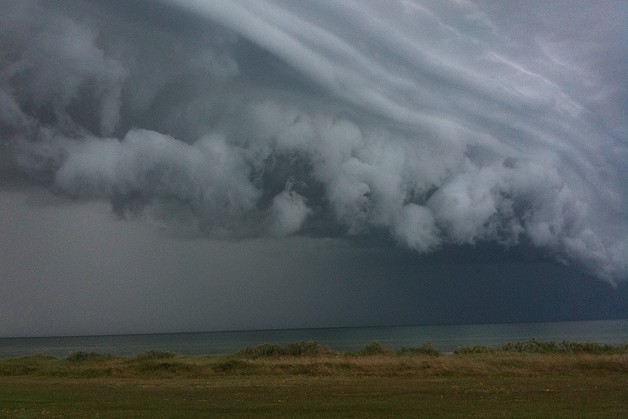
I love California. Quirky, lovable, yoga-centric California has been very good to me. Still, just six years ago after a bad breakup, I left the state for what I thought was for good. I move to Portland and immediately experienced a “once-a-decade” blizzard that shut the city down and gave me near-pneumonia. Then, two years ago, I got recruited back. Not just to the general California Bay Area population, but to the super-special wine country, home of some of the most valuable vintages on the planet. Yay! It is delicious in about a million ways and I try not to let it go to my head. Sometimes I have to literally pinch myself when, in the rarefied company of people whose names I dare not drop, I find myself . . .
There is no time for classics like the holiday season, and that includes books as well as music. We’ve noticed lately that the seasonal music is a little lighter, a little more fun. So herewith is a holiday classic book giving guide with a frothy little ditty to go with it. Happy shopping — and remember: used books need love too!
There you have it: a short list of classics. Enjoy the season, and happy reading!
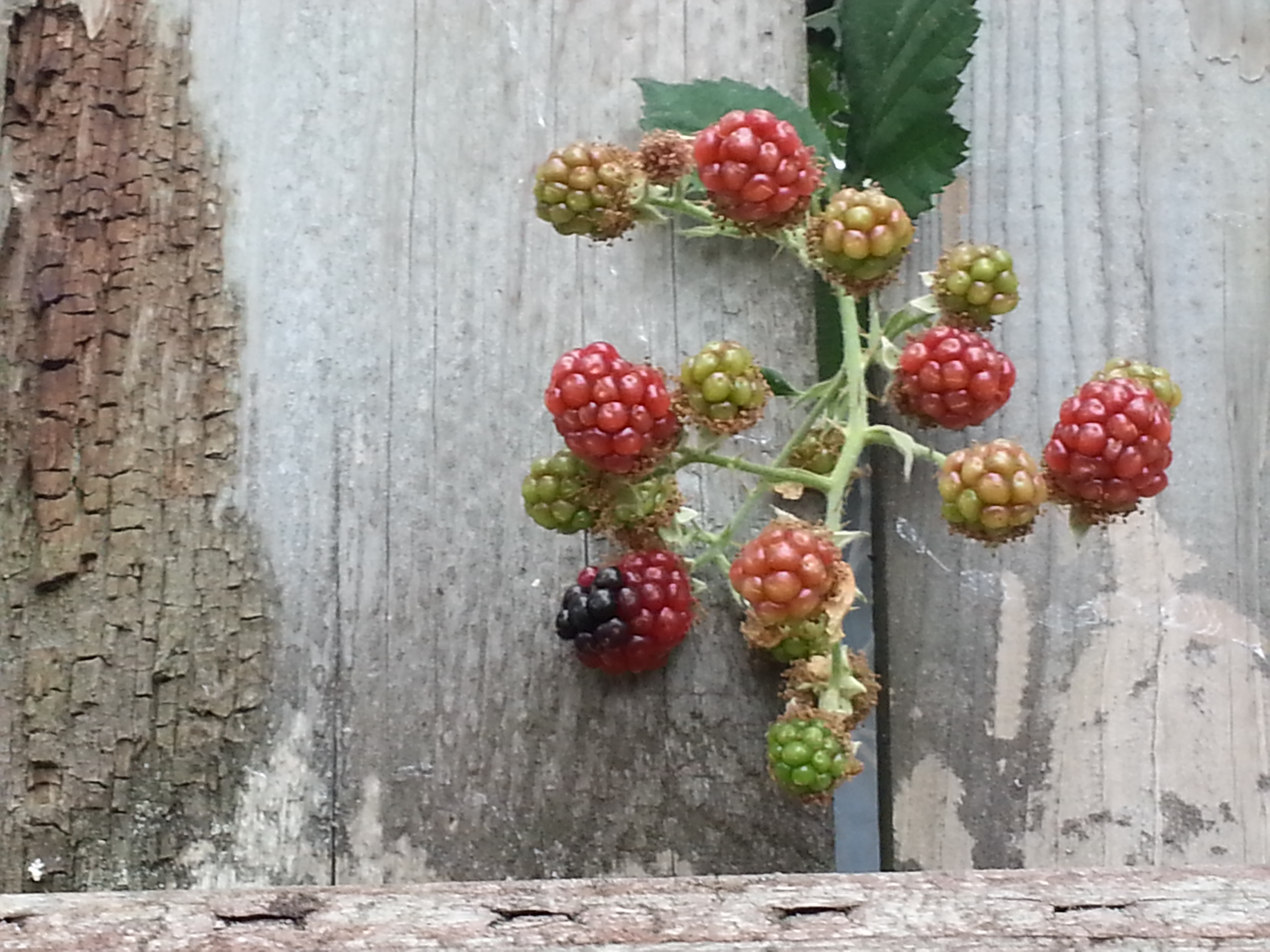 One way to journal is to forget everything you know about the place you live. You learn to look at the world as if you just popped through a worm hole from some other verdant, vividly lush and distant planet. Instead of going about your regular routines, I bet you would begin to really see the world you inhabit.
How many times do you go about your business and then suddenly realize that you can’t remember the last ten minutes? That you had been on autopilot, with your body operating the family car, stopping at lights and pausing for pedestrians while your mind had zipped off to distant canyons and \ gullies of memory and illusion? You’ve arrived safely and no one was hurt thank goodness, but what would happen if you were fully embodied, fully present, each day of your life? Would you see the world differently?
My vote is yes. It’s a fact that we do not cultivate the practice of notice very well. We are bombarded by television, radio, the Internet, literally thousands of messages a day (the gist of which are of the most dire nature by the way, and another reason to unplug) and so it’s natural that we begin to shut down. In many cases, shutting down is a natural mechanism of survival. The trouble is, once you begin to shut out the ugly of the world, you inevitably begin to shut out the beautiful and remarkable and miraculous, too.
Almost no one I’ve ever talked to about it thought their story was interesting. But I’ll bet their story is remarkable. They just stopped noticing the details. They forgot that their life was miraculous in about a million ways. So here’s an idea: write about your life like you don’t own it. Write about last Christmas like you’re a staff writer at a big agency and you’re creating a storyboard for a movie that will be seen around the world and sent toward the great, central sun by powerful satellites and viewed by people who have no idea what Santa is about, and why people decorate trees with shiny glass orbs. Explain what your house looks like as if you were describing it to a blind person. Paint a picture with words to describe your dog to a boy who has never seen a dog in his life. Illustrate a journal entry about last night’s dinner with words so smoky and succulent that your nostrils twitch and your stomach howls. Visit your local grocery store like you’re a tourist from Hungary. Have you ever noticed, really noticed, now many different brands of bread there are? How many varieties of potato chips they sell? Go to your local Chamber of Commerce and ask for a directory of members and marvel that people do the kinds of jobs they do. Lick the inside of your wrist and then sniff it to see what your breath smells like. Stop living on auto-pilot! Cultivate an appreciation for each Now that shows up. Now, I reach for my water bottle and the cool liquid slides down my throat. Now, my fingers pull away the skin of an orange. Now, I call on inspiration, and she takes my hand and we walk.
This advice seems a simple truth. . .and it is. Reading is not just doing nothing!
Author Ian McEwan talks about the writing life.
Sherman Alexie is one of the great literary voices of our generation. How lucky are we?
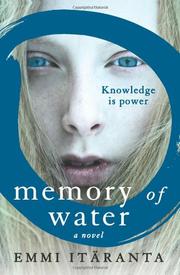
What if water grew scarce? What if polar icecaps melted, glaciers shrank, crops failed, the oceans rose, and water itself became a source of power? What would the world look like then? We have a story for you. You can read all about it here.
Fiction is a beautiful way to stick a finger in the eye of complacency, don’t you think? In a debut novel that is both funny and disturbing, Stephan Eirik Clark jumps feet first into a pool of what might be satire, taking a lingering look at how, as consumers of unnatural “food,” we might unintentionally be the makers of our own undoing. Is it possible? Is industrial food safe? Or is it just funny?
You decide. Read the review here.

The time we’re most familiar with is a unit of measurement and the way in which we experience the advancement of our lives. Religious pundits have for centuries described time as a circle, ever evolving upward. Yet every year we experience a birthday, an anniversary, a holiday, making our perception of time both circular and linear. Confused yet? If so, then you need to read Fractal Time: The Secret of 2012 and a New World Age

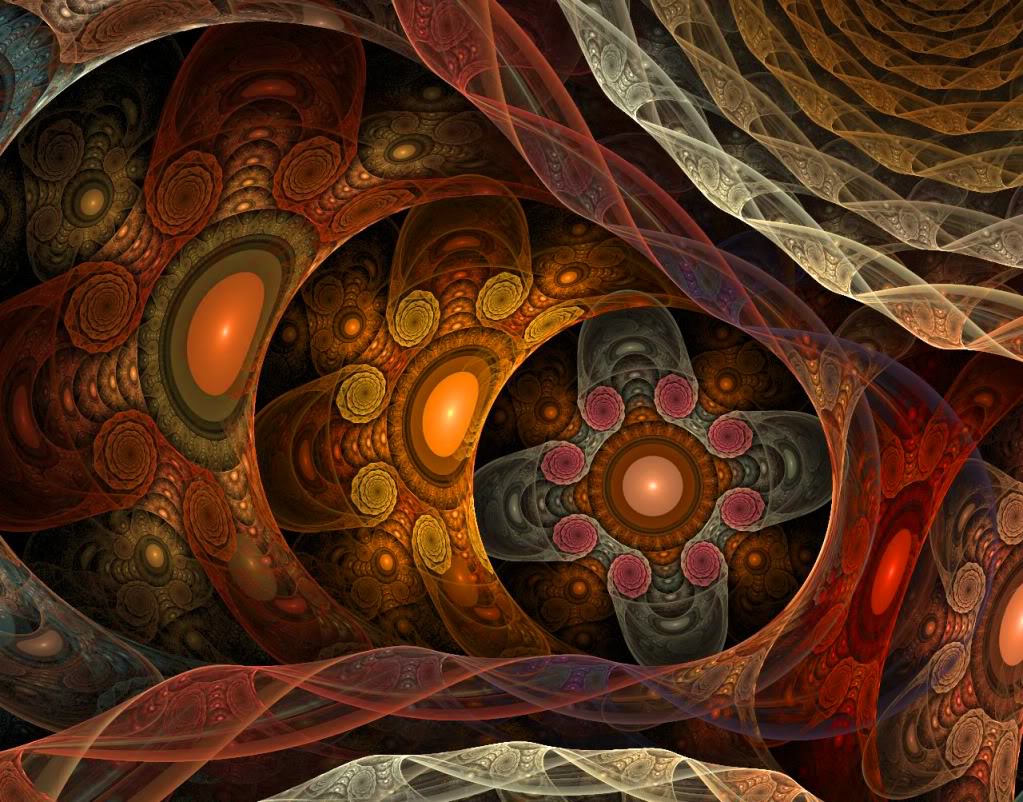 Fractal Time
If you look up the word “time” in Merriam Webster’s Collegiate Dictionary, you’ll see a list of fourteen definitions for time as a noun, eight as a colloquialism, five as a verb, eleven as an adjective, one as an adverb, and no less than forty-one words that start with the word time (time lapse, time-out, time immemorial, to name a few). Judging by the amount of “time” Webster’s devotes to the word, time appears to be as ubiquitous as air. No wonder we don’t understand it. Read more here…
 persephone's step-sisters