We are passionate women who write, right? So it’s only natural that we publish, too.
Download some amazing fiction by Pam Lazos here.


We are passionate women who write, right? So it’s only natural that we publish, too.
Download some amazing fiction by Pam Lazos here.
 OIL IN WATER
Pam Lazos
Chapter Seventy-Two
“Do you have any collateral, Mr. Hartos?”
“As a matter of fact, I do.” Hart opened his briefcase and displayed stock certificates for tens of thousands of shares of Akanabi Oil. The banker raised his eyebrows and picked up one of the certificates, analyzing it for authenticity.
“So what do you need me for?” the banker asked, setting down the certificate and folding his hands across his ample belly.
“I don’t, actually,” Hart said wryly. “Not if I sell that.” He nodded toward the briefcase. “But I don’t want to sell. Not yet.” Hart opened Sonia’s brown leather backpack and pulled out a thick business plan.
“I’ve been working on this all week,” he said, pushing it across the table toward the banker. “I’m prepared to give you a twenty percent return on your money for the first five years in exchange for an unlimited line of credit.”
The banker pitched forward in his chair and laid hands upon the document.
“Uhh uhh,” Hart said, shaking his head. “Not before we make a deal.”
“How can I make a deal if I can’t examine the business plan?”
Hart pulled a confidentiality agreement from Sonia’s backpack and placed it in front of the banker who read it.
“It bars you from even speaking about this matter to anyone who is not intimately involved in the release of funds and then it’s only on a need-to-know basis. After you read the plan, you’ll understand the paranoia. This is revolutionary technology. The urge to steal it will be strong.”
“This bank is not interested in anything illegal or immoral, Mr. Hart.”
“It’s nothing like that. But it will be the greatest invention since the advent of the industrial revolution. And you have the opportunity to be a part of it.”
“What’s the catch?”
“No catch. I need a line of credit. You’re in business to make money.”
“But why not do it yourself?” the banker asked, motioning toward the stock certificates.
Hart smiled and leaned back in his chair. “Once the first plant is built, that won’t be enough to cover the cost of expansion. It’s gonna spread like the wildfire, I guarantee you. Cities, states, municipalities – they’ll all be clamoring for it.
Interest piqued, the banker signed the confidentiality agreement and opened the business plan. Hart watched his face change as he read the one-page introduction.
“Either you’re crazy or a genius, I’m not sure. But if it’s true, I take your point. There’s no telling how big this could get.”
“So, we have a deal?”
“I need to look this over in detail, but my preliminary response would be yes, we most certainly have a deal.” The two men shook hands.
“I’ll call you later . . .”
“Absolutely not.”
“Hmmm?”
“I’ll sit and wait until you’ve finished reading.”
“Mr. Hartos, a line of credit of this magnitude will require the acquiescence of the bank’s Board of Directors. And it’s not going to be granted on a verbal request.”
“That’s fine. After everyone signs the confidentiality agreement, you get a copy of the business plan.”
“Okay, well I’ve signed, so I’ll keep this copy.”
“Not until you’ve approved the line of credit.”
“But I just told you…”
“Look. I don’t know how you’re going to do it, but until I get everybody’s signatures . . .”
The banker shook his head. “We just don’t do business that way.”
“There are plenty of banks on this street. Someone’s going to lend me the money.”
“Not without the proper paperwork.”
“Suit yourself.” Hart collected his papers and stuffed them in Sonia’s backpack. “Remember. You signed an agreement. Not a word. Because if I hear one, I’ll own this bank.”
Hart smiled broadly. “Good day.”
to be continued. . .
copyright 2013
 OIL IN WATER
Pam Lazos
Chapter Seventy-One
Gil was under attack. He dodged a plastic missile and huddled under a small bush a few feet from the house. A large, old man, older than his father by a lot, was laughing. His laugh echoed, like it started down deep in the earth, and bulged and grew and it clawed its way to the top where it became fearsome and overpowering. It made Gil’s insides shake even though it was the first day of spring and pretty warm out.
The man threw empty plastic water bottles at him: Perrier, Deer Park, Evian, Crystal Springs. The small bottles bounced off, harmless. He only ducked when the man launched the larger one-gallon bottles. He looked around for an escape route and his eyes landed on the small plane parked next to the house. Kori would be pissed that he forgot to park it in the garage again, and more, that he was going to drive it without a license, but so what? He invented it. It wasn’t a conventional plane, but looked more like a giant egg laid on its side. Little claw-like chicken’s feet descended from the main compartment and kept the body steady when the plane was grounded. The wings retracted into the body. Inside the egg were two seats, a cushion on the floor for Max, and a control panel. Avery wanted to sell these planes some day, for a fraction of the cost of a Hummer.
Gil pulled a gas pump hose from an outlet below the kitchen window and crawled on his belly over to the egg, kicking plastic bottles as he went. He lifted the hatch and inserted the nozzle into the egg’s fuel tank, dodging several bottles thrown in rapid succession. The hose connected to a small TDU in the basement and was fed by the garbage disposal and the trash bin, a complete in situ unit. After a few minutes, the filling stalled and the hose went limp in Gil’s hand. He shook it, but nothing happened. He crawled back over and kicked the wall of the house like a man kicking the tires of the car. “Oowww,” he yelled, but the mini TDU failed to restart. “Dammit,” he said, then covered his mouth and looked around to see if his sister was within hearing distance.
The large man started laughing again. Gil panicked and dropped the hose. He was crawling toward the egg when he heard Max at the kitchen door, barking like a crazy dog, so he crawled back to the house and let him out. Together they ran and jumped into the egg. Gil started the engine and the little chicken legs took off running at a fast clip. The wings fanned, the thrusters thrusted and the egg was airborne, the chicken legs still running, but with no ground beneath them. When he retracted the legs, the egg shot straight up into the air. The large man bellowed, something between a laugh and a moan, and Gil accelerated. He turned around to see the man remove his Armani suit jacket, fold it neatly over his arm, and bend down to turn on an automatic ball toss machine.
“Where the heck did that come from?” Gil yelled to Max who raised his head to investigate. The machine began firing the empty plastic water bottles, pelting the egg mercilessly. Singularly, the bottles posed no harm, but collectively the force resulted in an erratic trajectory, throwing them off course while jolt after jolt caused the egg first to zig and then to zag. The large man laughed like a maniac, sending shock waves that caused the egg to tumble with each successive and inexorable guffaw.
“Hold on!” Gil yelled to Max who crouched down at Gil’s feet, his paws over his eyes. Gil steered a hard right to avoid a fresh onslaught of plastic and came close enough to see the man’s large mouth. And like the Cheshire cat, as the man’s the smile grew larger, his face shrank away until all that remained were his hideous radiating teeth, each half the size of the egg. The man threw a switch, converting the machine to fast pitch and Gil was bombarded. The egg began to plummet. A bottle cracked the window. A hole emerged and grew. Air leaked out of the cabin. Gil flicked at the overhead switches.
“We’re losing pressure,” he screamed. He pushed a button and air masks dropped from the ceiling. He covered Max’s large snout with one and was attempting to put his own mask on when the egg took another hit and rolled over on itself. The mask flew out of Gil’s hand and he lost control. He began coughing, choking for air. . .
Gil’s eyes flew open and he coughed for a full minute before regaining his breath. Images of eggs and plastic swirled in the world behind his eyelids and he was cold and sweaty. He burrowed a hand under Max’s furriness and lay his head on the dog’s massive neck. Max yawned and put his head on the bed pillow. Gil closed his eyes, but the images still danced behind the lids, so he forced himself awake and sat up in bed. He yawned. His stomach growled rudely, and the noise threw his feet over the side of the bed. He put his slippers on and went downstairs to breakfast.
to be continued . . .
start reading here and work backwards
copyright 2013
 OIL IN WATER
Pam Lazos
Chapter Seventy
Kori walked in the back door and dumped a pile of mail and the Sunday paper on the kitchen table. She shot Avery a dirty look which he didn’t catch because he didn’t bother to look up from his magazine.
“Hi to you, too,” she snapped. Avery took a bite of his cereal.
Kori got close to his face: “Hi!” she yelled.
Avery pulled the honey pot over, forcing Kori out of his immediate space. She crossed her arms and stared at him as he rolled the honey dipper around inside the pot. He pulled up a ball full and drizzled honey over his Cheerios, making little swirly patterns with the sticky golden liquid.
“Are you going to say something?” Kori asked.
He replaced the lid and pushed the honey jar away before turning his full attention to his sister. He scowled, contemplating his options.
“Yeah. I’ll say something. Don’t you think you’re behaving outside the scope of what constitutes a good role model?” He took a sip of his juice and rather than waiting for an answer, turned back to his magazine. Kori watched him, mouth agape.
“What the hell’s that supposed to mean?” she shot back.
Avery pushed his chair back and crossed his legs. In that moment, he felt he’d become one with his father. He felt agitated and fatherly, a lecture for the child’s latest transgression poised on his tongue.
“It means, you’re acting like a….” His mouth formed a “w,” but no sound came out. Avery’s face felt hot. He dropped his chin and looked at his stockinged feet.
“What? Go ahead and say it.” She threw a piece of junk mail at him. “Say it!” The envelope bounced off his shirt and fell to the floor. “Say it, you little dweeb.” She threw a stack of napkins at him. They fluttered to the floor like baby birds falling from the nest. “Who the hell are you to judge me? Huh? Do you know how hard it is being me? Keeping all this together?” She waved an arm behind her, a gesture so dramatic it may as well have encompassed the entire world, not just the pots and pans.
Avery rubbed the bridge of his nose, exactly the way Marty used to do to hide his smile.
“Stop it, you little bastard.” Kori lunged at her brother, intent on strangling him.
Avery had a good deal of upper body strength to his credit despite his lanky frame. He grabbed Kori with ease, stopping her in mid-lunge, holding both arms, their faces inches apart. He looked closely at her now, at the worry lines on her face, at the dark, puffy circles below her eyes, and he softened. He released her and she sat down opposite him, looking pitiful and embarrassed. Avery returned to his magazine and pretended he wasn’t moved.
“Just say it, would you?” Kori choked out the words.
“Okay. You need to be home more. Not just for Gil. For me, too.” He pushed his cereal bowl away. “I can’t remember everything. I have school, you know? And there’s laundry everywhere and grocery shopping and Gil’s homework to check and I got my own homework. I mean, look at that.” He waved his hand in the direction of the gargantuan pile of mail. “I think subconsciously I didn’t pick it up because I know there are bills due and I’ve got no money to pay them with. I never know if there’s going to be enough and I keep hoping that Social Security will make a mistake and send us two checks so I can pay off some of these credit cards that I’m using, not to buy fun stuff, but to buy groceries.” He dropped his head to his hands and stared at the floor.
Kori rubbed his back, but he shrugged her off and pulled himself together.
“You gotta get back to work. You have jobs waiting. Clients who can be tapped for other clients. Otherwise we’re gonna drown here, Kori.”
“Avery,…. I’m sorry. I didn’t realize.” Avery rolled his eyes.
“Alright, I did. But I was trying to hide from it, too.” She flopped down in the chair next to him. “Sorry.”
“It’s all right. Let’s just get back on track, okay?”
“Okay.” Kori slumped in her seat. “Anyway, I broke up with Chris.”
“You’re kidding. You and Mr. Wonderful are through?”
“He wasn’t so wonderful.”
“That’s not what you said last week.”
“Yeah well, last week my head was in a bubble of love and this week the bubble’s burst. Life’s much clearer without the filmy soap residue.”
“What happened?”
“Same old, same old, I guess. My “last man on the totem pole” complex. He’s so wrapped up in his work. I didn’t see that much of the time he was dedicating to me had to do with the story he was unearthing. His interests have been waning ever since the story ran on Gil. I got tired of ignoring it.”
“What did Chris say?”
“Nothing.”
“So you didn’t tell him.”
“I don’t think I need to.” Kori sighed. “Please don’t beat me up about it.”
Avery shrugged. “What good’s it do to beat the animal that pulls the plow?”
Kori wacked him on the back. “Are you calling me a cow?”
“If the yoke fits,” he said.
“Bastard.” She smacked him on the back again.
“Hey. Mr. Right’ll come along. What did Mom say? For every pot there’s a lid?”
“Are you calling me a pot now?”
“Jesus, you’re a bitch,” Avery said. “Now leave me alone, please so I can finish my gourmet breakfast.” He pulled his cereal bowl over and took a bite, but spit it out. “Uch. I hate soggy cereal.”
He dumped the mush in the sink and poured a fresh bowl. The doorbell rang.
Kori looked at the kitchen clock. “Who’s coming over at 9:30 on a Sunday morning?”
“Could be your new Prince Charming,” Avery said, pouring milk into his bowl. Kori scrunched her nose, looking distraught.
“What?”
“What if it’s Chris?” Kori asked, doing her deer in the headlights impersonation.
Avery laughed at the look on her face. “What if it is? You broke up with him, right?”
Kori didn’t budge.
“You better answer the door before the bell wakes Gil up.”
“Will you get it? If it’s for me, just say I’m not here.”
Avery drizzled more honey into his bowl. “No. In case you haven’t noticed, I’m eating.”
“Fine,” Kori huffed, and stomped from the kitchen.
to be continued. . .
copyright 2013
And now for something completely new: two reviews of a single book!
it’s what we do: read our latest review here.

OIL IN WATER
Pam Lazos
Chapter Sixty-Nine
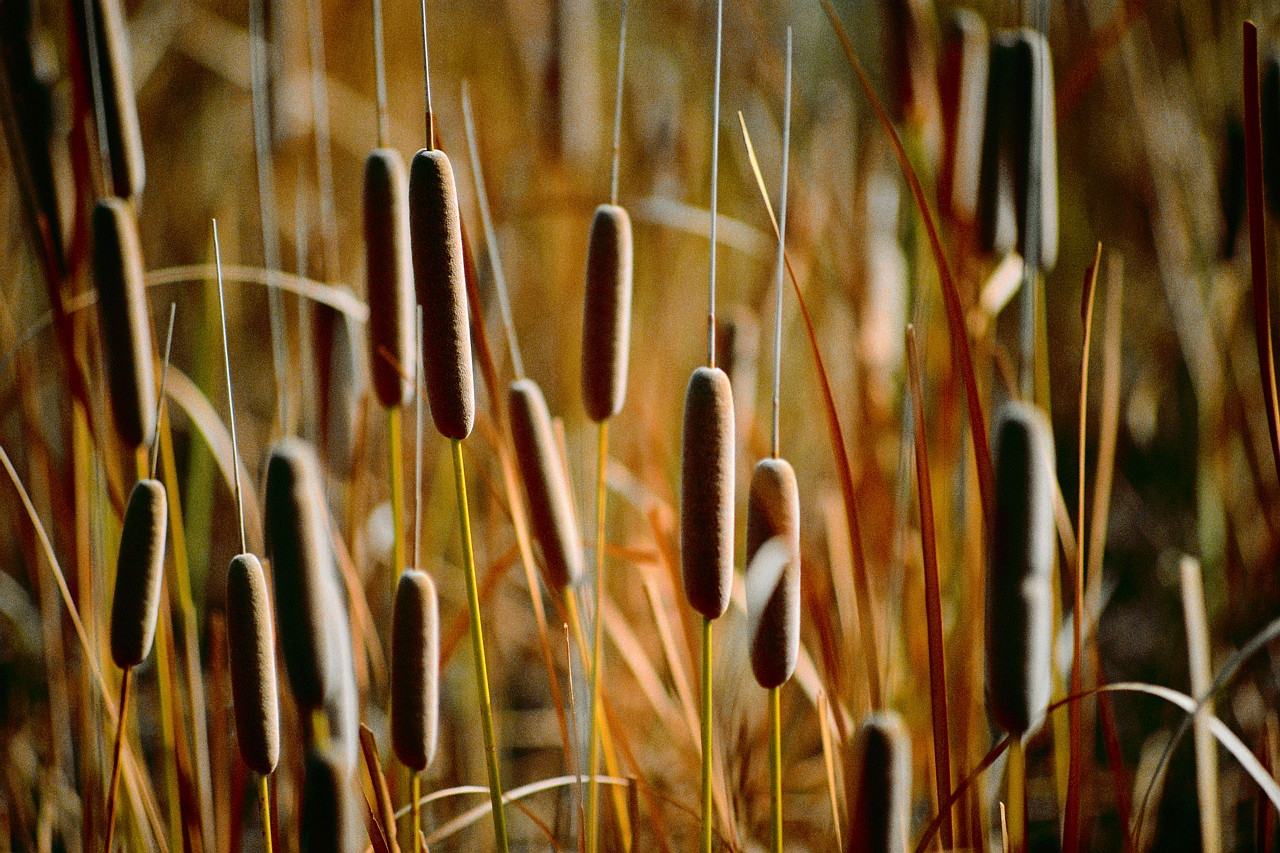
After a breakfast of rice with buttermilk, chicken soup, flat bread and strong, bitter coffee, Robbie and Amara boarded Sayyid’s flat boat and with Sayyid at the helm, set out on a journey to look at the recently refreshed marsh towns. Sayyid poled the boat through the water, skimming past huge clumps of papyrus and cattails.
Robbie watched the scenery change, enchanted by his surroundings. The fear that had sat in the pit of his stomach during their midnight exodus from Baghdad and which caused the bile to rise to his throat with every human encounter had hung an “out to lunch” sign on his esophagus, but given that the sun had barely crept above the giant forests of reeds, an “out to breakfast” sign would have been more apropos.
Robbie had cloaked himself in the customary robe and turban of the Iraqis and upon Amara’s urging, had remained silent the entire trip. Amara told the various drivers that she was taking her mute brother to Al Huwayr, a boat building town near the junction of the Tigris and Euphrates rivers where they intended to buy a mashuf and return to Zayad, their recently reflooded ancestral home. Already, Amara said, their uncle and aunt and three children had returned. The ruse had worked and here among the bulrushes and papyrus, Robbie rubbed elbows with the ghosts of the last five millennium along with a way of life he hoped wasn’t dead, but merely on life support, and like the reflooded marsh town of Zayad, could be resurrected and helped to thrive again.
“These are the biggest reeds I’ve ever seen,” Robbie said.
“It is called qasab. It is a phragmites, like you see at your American bays. But these plants have been allowed to grow undisturbed, and without pollution,” Amara said. “They can grow as large as twenty-five feet. We use them for many things, our mashufs, our huts. Too, we build our mudhifs from them. These are large building where many people can gather. Like your community center.”
“This portion of the Al Hawizeh marsh is all that’s really left of twenty thousand square kilometers of fresh water marshes,” Sayyid said. “You know this measurement? It is the maybe seven hundred miles. My people lived here for centuries,” Sayyid said. “We believed we were comfortable. We believed we were safe.”
“Here they raise cow and oxen and water buffalo and spend much time in prayer,” Amara said.
“Water buffalo?” Robbie said. “I don’t think I’ve ever seen a real one.”
“The water buffalo are very important to our way of life,” said Sayyid. “Early each morning the young boys take them to the feeding grounds. They do not return until the evening. All day they spend with the water buffalo.”
Amara laughed. “My grandfather told me a story that once he was up all night with a sick buffalo. He covered it with a blanket and nursed it back to health with a bottle and songs.”
“He sang to a buffalo?” Robbie asked.
“Yes. It is not uncommon. The Ma’adan depend greatly on the buffalo for their existence. He gives milk, among a great many other things and they thank God for this by treating the animals like family. It is not like America.”
“How do Americans treat their buffalo?” Sayyid asked
“I won’t tell you what happened to our buffalo,” Robbie said. “But I guess the modern-day equivalent would be the cow. We have two kinds, dairy and meat. The dairy cows have a cushy life compared to the meat cows, but nobody sings to them. At least not that I know of. Although I did hear once about a farmer who played music to his watermelons.”
Sayyid laughed, then grew quiet as he poled the boat through the water. “These marshes are all that is left. The Al Hammar and Central marshes are gone. Vanished. Like my people who inhabited them.”
“They will come back, Uncle. When the water returns, they will come back.”
“If God shall be willing,” Sayyid said. “You know this group? Assisting Marsh Arab Refugees? The AMAR Foundation they call themselves.”
“Yes. And I have read about another group,” Amara said, “called Eden Again. The head of this group is an American, born in Iraq. They seek to return the water, to bring back the fish to the marshes. It is this group we come to work with. To offer our assistance,” Amara turned to Robbie and squeezed his hand, “at great personal risk.”
“How do you plan to help?” Sayyid asked. “No doubt you will use your schooling that was so important to my brother.”
“Yes, uncle. I am sure they will need another biologist. And Robbie knows something about…” she turned to him for assistance.
“Environmental science. Back home I’m working on a degree,” Robbie said. “For the first time I have a good reason for it.”
“Uncle, may I?” Amara reached for the pole and Sayyid relinquished it with a smile, exchanging places with Amara in the boat.
“I know who you wish to find. Tomorrow I will take you to them. But today, we tour Al Hawizeh. It will be something for you to see,” Sayyid said, turning to Robbie. “This place is like nowhere else in the world. What Saddam has done is a crime against God and nature. He seeks to destroy the Ma’adan by destroying their way of life. But my people have inhabited these waters since the beginning. This is the Cradle of Civilization where the world began. Saddam thought to make history. And what has he done?” Sayyid spread his hands wide to emphasis his point.
“Not just genocide, but ecocide, uncle,” Amara said.
“Yes.” Sayyid turned to Robbie. “History will not be kind to him. But you have caught him. Now there is hope.” Sayyid returned his hands to his lap and gazed out over the water. “I am not a naive man. I do not dream that it all will be returned.” Sayyid gazed after the reeds and bulrushes as the boat glided past. Robbie noted the comely, proud profile.
“Do you find it strange that they should take your name?” Sayyid asked Amara.
“Who, Uncle?”
The AMAR Foundation. Do you find it strange?” The marsh narrowed and Amara directed the boat toward a dense forest of reeds. “They say a man’s name predicts his future.” Sayyid raised his eyebrows in speculation. “Perhaps this is your destiny, Amara. To save your ancestors. To restore their lands.” Sayyid stood and took the pole.
“I can do it,” Amara said, but he motioned for her to sit down so she did.
“So much like my brother,” he mused. Amara smiled, trailing her fingers in the water.
The flap of wings, the sounds of fish surfacing and retreating, the smell of dense, wet vegetation, and a million hues of green, fanning out across the landscape all formed a backdrop to the peace rising up in Robbie’s soul. He felt the adrenaline and terror ebbing away with each rhythmic pull of Sayyid’s pole and that, coupled with a full belly, conspired to put him in a state of calm, the likes of which he had not experienced since he came to Iraq. A turtle jumped off the marsh and into the water. Amara pointed and turned to see if Robbie had noticed it, but like the baby Moses adrift in a bed of papyrus, Robbie now lay hidden and in the safety of the marshes, he slept.
to be continued. . .
copyright 2013
Did you know that you can’t read in your dreams?
In that case, you will want to take this book to the beach.
 OIL IN WATER
Pam Lazos
Chapter Sixty-Eight
Some saw it coming, although they couldn’t have predicted its speed. Both Syria and Turkey, and to a lesser extent Iraq, began dam building projects in the 1950’s diverting the Marsh Arabs water for their own agricultural projects. Their water, along with a five-thousand-year old way of life, had begun drying up. It would have happened eventually, but Saddam Hussein helped it come like lightening.
For five thousand years, the Marsh Arabs were a self-governing people, managing to fly below the radar, breaching their own dams and flooding their homes, retreating to the marshes when the many conquering armies came through the region. But in 1980, following the revolution in Iran, many of the Shiite leaders sought refuge in the marshes. And the Marsh Arabs, themselves Shiites, took in and hid these refugees. Afraid that a similar revolution would sprout among the Shiite population in Iraq, Saddam started a systematic campaign of arrests and executions removing the male heads of families and forcing the expulsion into Iran of the women and children left behind. That was his first attempt. The second was in 1991 and it was clearly more insidious, aimed not just at dismantling their families, but the way of life of an entire region.
At one time there were as many as five hundred thousand Marsh Arabs living in the marshes, today less than forty thousand. Commissioning four drainage canals, several dams and a third “river” he called “The Mother of All Canals,” Saddam redirected quadrillions of gallons of water that fed the marshes, dumping them uselessly into the Persian Gulf. He claimed that the redirected water was to be used for agricultural purposes, but not a single project was initiated as a result.
It was really a campaign of genocide against the Marsh Arabs for their part in the 1991 Shiite uprising, a three-week insurrection prompted by the Americans and the British following Desert Storm. The Shiite Muslims answered the American call, but when Saddam turned on them, so did the Americans. They were left stranded in the desert, and without their water which was being diverted to the Persian Gulf, they had no place to hide. Many were imprisoned, many others assassinated, and still others packed off to refugee camps in Iran where they still live today.
to be continued. . .
copyright 2013
 HOW AMOEBAE MOVE
Roxanne Ryan baked bread when the depression came down on her like a moonless night. Yeast called to her with its sour gas, startled her from her sleep. She thrashed and rolled her bed sheets into a ball seeking comfort on the mattress, and then she switched on the bedside lamp. She woke with stomach cramps, spilled flour from her knotted fist onto the bedroom floor. Scruffy snorted from his pillow of MacGregor plaid flannel. She rubbed his nose and found a pair of cotton sweat socks to keep the cold out for when she stood on the kitchen linoleum, kneading whole wheat sourdough. When things got bad, even the Xanax didn’t work. Nothing worked except the smell of bread baking, the essence of a fine brown crust forming on a loaf.
Roxanne cut butter into flour to form a sweet dough. She dribbled in sweet cream and yogurt. She dropped in soft currants soaked in orange brandy. A spongy mass formed and she turned it out onto a slab of marble she got as surplus at the old church renovation site. The county was gentrifying. Open fields close to town were being replaced with decorating studios. While some families still kept chickens that scratched in the dirt between houses, the old Victorians on Main were finally getting fixed up. As towns went, Cold Water had allure for young professionals who got struck dumb at the beauty of the place while on vacation and who decided to move to paradise.
When Roxanne left Kenny, she gravitated back to that western familiarity. She copied bread recipes from Sunset magazine and poured over the San Francisco Chronicle in bed Sunday mornings with milky Costa Rican blend coffee. On Kenny’s transfer to Alexandria, she learned to live in a world roped by traditions and she became bound. It wasn’t until she cut through Denver on I-70 and across the Continental Divide, rolling back toward the Pacific, that Roxanne took a deep breath for the first time in what could have been years. In Cold Water, she surrendered to simplicity. On the western lip of North America, she yielded to the alchemy of bread.
Roxanne speed-dialed Virginia. At two in the morning in San Francisco, it was five in the east and Mercedes Lazarus was just waking, getting ready to take the train into D.C. to review legal briefs for the EPA.
“Hi, baby.” Mercedes caught calls on the first ring. She jogged onto her trampoline the minute the phone went off, working up endorphins.
Roxanne pressed her eyes shut. “Geniuses are supposed to be able to live on two or three hours of sleep a night. By now I should be channeling Einstein.”
“How about. Anais Nin!” Mercedes breathed hard into the handset. “So. Baby, spill.”
Mercedes lived on pesto and call waiting and was a perpetual motion machine. Her blood was equal parts Italian and Greek, separated from the homeland by a distance of two generations, requiring dinner with her parents every Sunday, after which she drank grappa with her father at the kitchen table; shared Viceroys. She made tomato gravy and Greek salad with an essence of garlic that oozed from her pores. Mercedes was the only woman whose lips Roxanne had ever kissed besides her own mother’s.
“What are you doing up? It’s the middle. Of night there.”
“I’m baking. It’s my new therapy.”
“Ha.” Springs creaked in the beat between bounces.
“I’m rising to a higher power. One loaf at a time.” Roxanne shook her head, felt the weight of silver earrings against her cheek. “Bread good as a psychic Rolf.”
“So what’s this I? Sense blueness?”
“Maybe lavenderness. Second guessingness.”
“Self awareness. About —”
“You know, leaving.”
“We’ve covered this ground. Your only crime was falling. Out of love. You’re not. As screwed up. As you imagine. Actually, I think. You’re sane for the first. Time maybe in your life.”
“Yes, well.”
Roxanne rolled the dough into a ball. She covered it with a damp dish towel and greased the bowl before dropping it in, setting the timer. “Did I tell you? I had dinner with my step-brother last week? He married two sisters.”
Mercedes’ voice garbled. There was the sound of rushing water, the scritch of bristles on tooth enamel.
“One couldn’t have babies, so she left. Lana says the other, the fertile one, is hell on wheels. She says Robert is a polygamist.”
“Is he?” Her voice dropped to her throat, a gathering to spit.
“Number one allegedly loved him so much, she gave him up.”
“Still water —”
“It makes me wonder —”
“More aggravation —”
“You think you know somebody —”
“Everyone sees things, people. Through the filter of their own perception, you know. It’s nothing new.”
“What will I say about Kenny in twenty years?”
“You’re very clear about Kenny’s shortcomings.”
“Still —”
“Trust me.”
“Anyway.”
“You loved him once, that’s enough. Hold on a minute.” The sound of toilet plumbing roared through the line. “I have to put my hair up. I’ve got five minutes before I have to run to make the bloody train.”
“Late again.”
“How?”
“What?”
“Never mind. I’ll call you from the car. Or the way in.”
“I miss you, baby.”
“I miss you back. Ciao.”
Roxanne Ryan tapped her fingers against the stove top. She dropped the cordless into a basket and wondered if she should color her hair blonde, wondered if she would ever date again. It was four o’clock in the morning of the ninth month of the year of her first divorce. She had moved back west, rented a cottage in the vineyards north of San Francisco. She was skirted by vines and grapes, sweet-smelling dirt. Roxanne swam in a sea of leafy vines that rose up out of the valley floor and spread across the golden coastal hills. In a countryside swarming with weekend tourists, Roxanne scraped her knees praying for answers in a language that she understood, which, as it turned out, was the language of flour and water, the exchange of gasses, of leavening. Four brown loaves cooled on racks on the kitchen table. Four brown, smooth, perfect loaves that could soak up butter and jam and sudden, unexplainable melancholy. Bread that could fill empty places. Bread and chocolate and blues. Roxanne dabbed her eye where it got moist and lit a cigarette. She called her lawyer. Five o’clock San Francisco made it eight in Chevy Chase.
“Michael Goldman.” Goldman answered the phone himself, his receptionist being late. Again. He was genial, a gentleman. Her therapist told her, available. His courtesy cost her roughly twenty bucks a minute. Each conversation with him cost her half of a pair of Ferragamo’s. A CD player. A standing rib roast at Raley’s. This conversation had the potential to become a new pair of Joan and David’s. Dinner at Don Giovanni’s.
“Maybe you should take on some work,” Goldman had said. “It wouldn’t hurt to establish at least the impression that you’re moving forward.”
“I did it,” she told him. “You know, as my attorney I thought you should be informed.”
On his advice, and for the first time in ten years, Roxanne took a writing assignment. She chronicled famous wine country spas for an artsy travel magazine. She called the first place on the list, checked in for a facial: research in the form of a four-layer seaweed wrap. The therapist patted thick cream onto her face and while it hardened to a therapeutic crust, she worked an emollient into Roxanne’s feet, wrapped them in plastic bags, tucked them into heated booties. She could do this every month of the year. She could wake up next to a stunt man named Paolo, whisper for a cappuccino, eat cucumber sandwiches. It was something to consider while the facialist worked a rosemary scented cream into her hand, pulling her fingers until she shot into a beta state, right past alpha, into dream land.
Now her unconscious wrestled angels, gathered fancy pigeons. Now rock stars haunted her bedroom, handsome ER doctors made consultations. Now she and Kenny struggled over control of the oars of a rowboat on an artificial lake. The reservoir was full; the turbines of the dam pulled at them.
“Give up,” Kenny shouted to her. “It’s futile.”
“Bite me,” she said, grabbed an oar and thrust it in the water. “It wasn’t me you wanted, it was that lady barber.”
Kenny paddled hard with the remaining oar, propelling the boat in circles. Loaves of Italian slipper bread floated in the sky. All the babies they did not have, would never have, floated like wafers in the water, swathed in organza layettes, trimmed in lace, dotted with raisins. This is why she did not sleep.
Last spring, during the year of their estrangement, she had suggested alimony. Kenny’s voice fell a decibel. “You could get a job,” he said. “You’re capable. F.Y.I.: these days its called spousal support, a contingency that can go either way.” It was the intimation of a tactic. That he could demand she pay to support him, retribution for working up the courage to leave. The kitchen timer went off and the phone rang.
“To hell with. Work,” Mercedes told her. “Enroll in school. You could get. Your master’s degree. If you wanted.”
“In what?”
“Jesus, who knows. Professional wrestling. Literature. Do what you love. Pursue the culinary sciences.”
“I feel as if I’m dancing on the edge of a cliff. It could go either way.”
“Take up yoga. Give up vices.”
Roxanne moaned. “But I’ve given up everything I know.”
“The Tao would say. Give up even that.”
Mercedes was off caffeine, but still went to the coffee houses, for the ambiance, the magazines, the sense of literary importance. She was a lawyer with literary ambitions, with mommy ambitions, with ambitions even she could not yet define, so great was her reserve of energy. Roxanne suspected that the miscarriage and the ectopic pregnancy were the result of some weird vortex Mercedes Lazarus created in her moving-fastness.
Roxanne toasted a piece of bread, slathered it with plum jam, sniffed at it, pushed it away. “I met a man. A lawyer.”
“Gosh. Well?”
“Wounded, God. I’m so over men. Give me someone who hasn’t cried publicly for a year. A recovering sensitive. Jee-sus.”
“Harsh, baby.”
“No.” Roxanne opened a seltzer water, sprayed the front of her jammies. She reached for a towel. “Ahhh, shoot. Maybe.”
“You’ll rebound.”
“I don’t know. The idea of dating, of dancing. Body contact with a virtual stranger.”
“Depends on the stranger.”
“Plus, you get close, there are smells.”
“Stop.”
“Soap. Shampoo. Laundry detergent. Belly to belly, ear to ear. And kissing. The idea of saliva is paralyzing.”
“Tongue.”
“Breathing in, out.”
“Anyway, the lawyer.”
“Ahhh. Beautiful smile, but so goddamned sad.”
The train whistle came tinny through the handset, the warning blast of an approaching station. “The grass isn’t any greener on the other side,” Mercedes said. A tapping of laptop keys floated between her words. “Truth is, tap-tap, on the other side, tap, there is no grass.” The shriek of brakes rose up through the phone.
Roxanne threw a pinch of salt over her shoulder. “You have to go.”
The air smelled of pine and bay laurel. A light rain fell before dawn, a sky full of waterbeads letting go, dropping into an ocean of air. The lawyer took her to dinner at the local bistro du jour. The place was austere to the nth. They took no reservations, the waiters were young, swarthy, tuxedo shirts, pony tails. The walls of the restaurant were painted terra cotta and the floor was stained saffron. Candles flickered from wall sconces. When the food came, it was arranged artfully on wide brimmed plates. The lawyer ate oysters to begin, and after the entree he ordered flan. He smiled and said, viagra, vasectomy.
“Um,” she said, “Saw Palmetto. Zinc.”
I’ll look it up, he said. You do that.
There were judges, teachers, novelists waiting to get seats. Roxanne lifted her glass of pinot grigio and observed happy couples over the rim of the glass, tinted gold by wine. She felt the same twinge of envy that she had when she and Kenny were trying to have babies and passed young families on the street. After twenty-six weeks of Clomed and disappointment, they avoided city parks and shopping malls.
The how-to market was explosive with books on how to navigate divorce, not get screwed, look after your interests. But there were nuances that were not explored in the divorce manuals. They didn’t say that you would miss being married, double, if you did it well. If you happened to like turning junk store tables into decorator accents. If you thought selecting the correct wallpaper was tantamount to a feat of civic heroism. If your coq au vin was talked about in three states.
The books didn’t tell you that you might find yourself wandering into hardware stores shopping for kitchen tiles for your ex’s kitchen makeover. That you would become aroused by magazine ads for men’s underwear. That your intentions for independence would be subverted by well-meaning family members who said, what a shame, what a shame, as if you had killed someone. Poisoned someone. Admitted over the creamed peas and buttermilk biscuits that you wished his plane would jack-knife out of the sky into an Iowa cornfield.
Certain associations would bask in a florid superiority. They would offer woolly threads of advice. After a while you would learn to just smile and hold your breath when sentences began with that airy Well, you know. . . .
You wonder if you’re sane. You wonder if your shrink is sane. You wonder if the pharmacist who fills your prescription could have anything interesting to say after sex. You find that you are both a stereotype (statistic) and forging new territory. You may flirt with a young woman at the Barnes & Noble coffee counter. You may wonder if love came at you like that, what you would do about it. You will discover that investment brokers are not your friends; they work on commission. You will remember that the box of Christmas ornaments you gave to your ex contained a collection of Santas and you will pay penance to get it back. You will perform a live enactment of the Last Supper superimposed over the Seven Stages of Grief. Love stories will make you cry and war epics will raise your blood. You will discover that a dark theater and a sad movie are cathartic and meaningful in a way beyond therapy.
Roxanne braided ropy strands of Challah and set it aside to rise. She took a carton of eggshells out to the composter and startled a raccoon picking through the wilted lettuce she ritually bought for good health and then watched turn to green mush in the refrigerator. The night sky was brave. Jupiter sparked in the early dark, winking. The raccoon’s eyes glinted with ephemeral light and Roxanne felt herself lift off. It was midnight: too early in the east, too late in the west. This was what it was like in space, a vacuum.
Sleep was her panacea, coming in bits and snatches, between the rising of dough, the baking and cooling of loaves. The phone was shaped like a baguette, a comfort that fitted in the palm of her hand.
“I have something. To say, big news. But don’t want to. Tip your canoe.”
“You can tell me anything.”
“I would love it. If you were happy. For me. Us.”
Roxanne pushed the blade of a knife into a rectangle of dough, cutting squares. “Did you put that milagro I sent you on the back of your bed like I told you?”
“Yes.”
“Baby! Hey! It worked.”
Mercedes blew air. “Totally.”
“Well.” Roxanne stared into the still dark sky. In the east, a faint glimmer of yellow tinted the horizon.
“It was a fluke. Not even a command. Performance, you know what. It’s like.”
“That’s the way it happens. So you better stop slogging around super fund sights. No more chances.”
Mercedes’s voice was muffled. She was pulling off a sweatshirt, possibly pulling on a fresh tee.
“Will you?”
“No! More rivers dead with chemicals. No imperiled aviaries.”
“There are considerations now you didn’t have before, like maybe slowing down, letting someone else take up the slack. Putting your feet up. You don’t have to be a hotshot all the time. Imagine what it’s like inside there, inside you, that kind of magic. Witness that.”
Roxanne brushed melted butter across the top of her dough squares, sprinkled them with granulated sugar and lemon zest. Mercedes was quiet. There was no sound of trampoline, no hard breath. “So how far are we talking?”
“Just.”
“What does Marcus think?”
“My adorable chemical engineer says pseudo podia.”
“Super fund? What?”
“Pseudo podia. False-foot.”
“No clue.”
“False foot. It’s how amoebae move. They create a false foot, a hologram. Then move their bodies with the imaginary foot. Then it dissolves.”
Roxanne spilled coffee into a filter, poured scalding water, brewed a pot of Costa Rican, inhaled the heady fragrance.
“Moving in new directions. Now we both are, you see? I signed up for school. The Culinary Institute actually, I registered.”
“Baby, that’s great.”
“Yeah, babies, it is.” The line spiraled vacant a moment, one of those empty spaces you could lose yourself in, sink into, an oven of very deep quiet.
“Could you be godmother, you think?”
“Of course I will. You know I will. I’ll teach them to bake bread.”
“Yeah?”
“One at a time, naturally. Hey.”
“What.”
“This one is for good.”
Mercedes laughed, a signature sound that ended on a rising note. “I love you, baby.”
“I love you back.”
Roxanne cupped her palm against her throat. She poured a steaming stream of very dark roast, added a shot of hazelnut syrup. She could count on one hand the things that she knew for sure. There was Mercedes’ love, sovereignty, and bread. She loved bread and Mercedes and mornings in the dark just before the sparrows went wild with song. And yeast. Yeast was something to be trusted. Like an amoeba, a living organism, a teeming culture, a hologram. It grew phantom feet, stood on them in a universe that made allowances for miraculous appendages.
# # #
this prize-winning story is previously published
all rights retained by author, 2013
 OIL IN WATER
Pam Lazos
Chapter Sixty-Seven
Robbie and Amara lay on a tightly woven reed mat beneath an open window, the spare light of the crescent moon casting the faintest of shadows. His arm rested protectively on her belly. The thin blanket that had covered them lay crumpled on the floor, thrown off in the dead of night and heat. A cool, light breeze blew off the water through the open window, washing over their sleeping bodies in an undulating rhythm that kept time with the passing centuries. Waves lapped against the quonset hut’s foundation.
Robbie drew a deep, choking breath as one coming up for air after too long underwater. He coughed and it woke him. He bolted upright in bed and Amara woke, too.
“What is it?” Amara put a hand on his back and felt through the well-toned muscle and bone the panic that lay buried inside. “Your heart is beating very fast.”
Robbie took several breaths in rapid succession then pulled her to him.
“You’re cold,” Robbie said.
“So are you.” Amara grabbed the blanket and pulled it up over them. Robbie relaxed and they both lay down on the reed mat again. A rustle just below the hut refocused Robbie’s attention and he was out of bed in an instant.
“It’s only a mouse,” Amara said.
“We’re surrounded by water.”
“Not everywhere is water. Much is just mud. The water is high now because of the spring rains.”
“Well, how will he get out?”
“There’s always a way out,” Amara said. “Besides, mice are excellent swimmers. Please.” She held the blanket up, an invitation for him to join her.
Robbie lay down next to her. “Sorry. Just a little jumpy.”
“It is because no one has been here for so long. You do not see this well because we come in the middle of the night. I’m sure it is very dirty in here.”
“I thought you said it was a little fishing hut.”
“Yes. It belonged to my grandfather’s father. Of course, when he left he had no more use for it, but my uncles still came here.” Amara’s voice stumbled. “Now there is no one to use it.” Robbie hugged her closed and smoothed her hair.
She nestled in. “Tell me about your dream.”
“I dreamt that American troops were driving their jeeps through the marshes. They were coming from Baghdad on their way to Basra and the most direct route was straight through the middle. The jeeps had these pontoons on them that kept them afloat when the water got deep. There was a place in the water where it rose about six inches like it was going over something massive below. The lead jeep got stuck on it. It turned out to be a remnant of one of Saddam’s dams. Everyone had to get out and figure another way across. They unloaded their mashufs and troops started fanning out across the marshes in their canoes. I was watching from the reeds. Somebody came up behind me and grabbed me by the throat. I started choking. That”s when I woke up.” Robbie rubbed Amara’s arm and gazed into her penetrating eyes.
Amara placed her hand over his heart. “You are safe now. They will not find you until you are ready to be found.”
Robbie kissed the top of her head. She kissed his lips.
“Dawn will soon come,” Amara said. “Let us sleep until it does.”
“Then you can show me where we are.”
➣➣➣
At dawn, Robbie and Amara climbed into the mashuf they had borrowed from her uncle, a boat builder whose shop sat at the tip of what remained of the Al Hariz marsh. A mullet, small and bony by any standard, rose to the surface in search of breakfast. Robbie jumped at the splash that signaled its return to safe water.
“It is just a fish,” Amara said, handing Robbie a paddle. “And a small one at that. They are returning now that the dam has been destroyed.”
“Well, that’s good, isn’t it? I mean, about the dam.” Robbie started to paddle in time with Amara.
“Yes, it is very good. But it is not enough. The Minister of Irrigation estimates that when the dam was breached over one hundred and fifty quadrillion gallons of water flooded back into the channels. This was only enough to return the water to the two closest villages. At one time, there were hundreds of these villages. At this rate it will take a thousand years.”
“Well, can’t they just open another dam?”
“They have opened all the dams. The water is no longer here.”
“Where is it?”
“Still in Syria, and Turkey, being diverted for many types of projects. Agricultural, hydroelectric. Who knows what else? Saddam gave them this water. He stole it from his own people.”
“We’ll get it back.”
“It is much more complicated than that. Here people fight over the right to use the water. It is not so in your country. But still you see the beginnings of it in your American west. I think that one day, people in America will fight over water just as we do.”
The marshes were silent but for the lapping of the water on the shore and the slight rustle of the bulrushes. A fog had settled over the marshes and Robbie wiped at the drops of water that collected on his face. A bullfrog croaked. Robbie jumped, then relaxed.
Amara smiled and turned briefly to look at him. “You never fully get used to the noises that the marshes make. To live here is to constantly be on alert. So my grandfather has told me.”
They rowed together in silence until Amara directed the mashuf through vegetation so dense and intertwined that Robbie felt they were inside a tunnel. When they emerged on the other side, the first rays of the day had filtered through the reeds, creating a mosaic pattern across the surface of the water. A blue heron caught breakfast and retreated to safer ground, flying directly overhead.
“A most beneficent sign,” Amara said, bunching her fingers together and touching them first to her heart, then her lips and finally her forehead. She stopped paddling momentarily and squeezed Robbie’s leg. “There it is. The house of my uncle, Sayyid. We will be safe here.”
➣➣➣
Robbie and Amara docked their boat on the small island where another hut stood.
“Who’s there?” said a voice groggy with sleep. Inside the occupants of the house stirred, the first rustling of the day. Amara tied the canoe and grabbed Robbie’s arm just as Sayyid Sahain appeared in the doorway wearing the conventional robe and turban, but no sandals. In the misty morning light, Amara couldn’t clearly see the face of her uncle, still pressed with sleep, his hastily donned turban slightly askew, but she recognized the proud and encompassing stance of her father, and for a moment she believed he walked among them again. The sound of her uncle’s voice, so like her own father’s, did nothing to lessen her joy.
“Who is there?”
“It is me, uncle. Amara.”
“Amara! Is it you? I had word, but I did not dare hope…. God be praised.” Amara’s uncle scrambled down to the dock and grabbed Amara by both elbows before crushing her to his chest in a warm embrace. “God has blessed me once again,” Sayyid said. He held her at arm’s length. “To look at you is to look again upon my brother’s face.” He wrapped an avuncular arm around her and patted her back before releasing her, then turned to Robbie, a question in his eyes. “And who is it that assures your safe travel?” he asked, sizing Robbie up.
“This is my friend, Robbie, Uncle. He is an American. He wishes to help our people. But first, Uncle, we must assure his safety. He has left his captain without permission.” Sayyid raised his eyebrows in disapproval.
Amara continued. “The Americans believe he is dead. There was a car bombing and…. they did not find him.” Amara bowed her head and clasped her hands together. “I’m sorry, Uncle. I do not mean to bring you trouble.” Sayyid studied Robbie’s face then looked to his niece’s bowed head.
“Amara. You could not bring more trouble than that devil, Saddam, has brought to his own people. Every day I ask God why he has allowed this. But God has turned his face away from us.” He lifted Amara’s chin that she might look him directly in the eyes. “You were always the impetuous one. By the grace of Mohammed, had you been born a boy I believe you would have stopped the devil himself.”
Amara smiled at her uncle and he stroked her cheek.
“Time has taught me many things,” Sayyid continued. “For the memory of your father, but more important, for you, I swear I will keep your friend safe among us until the time he chooses to leave.”
Sayyid turned to Robbie. “Welcome, sahib.” He took Robbie’s hand in one of his and with the other clapped him on the back. “You are safe here.”
“Thank you. . .”
“Call me Uncle as my niece does,” Sayyid said.
“Uncle,” Robbie repeated. Following Amara’s lead, he bowed his head slightly to indicate his respect.
“Come, come,” Sayyid said. “Let us go inside. You will be hungry, yes? We will take a meal together and you will tell me of your plans.”
➣➣➣
Inside Sayyid’s wife, Fawzia, was already grinding coffee. Sayyid made the introductions and Amara embraced her uncle’s new wife before the woman retreated to the hearth to prepare a meal worthy of visitors.
“Fawzia is a good woman,” Sayyid said. He directed them to several cushions scattered around a small round table barely a foot off the floor.
“I am sorry for you, Uncle. For my aunt. We had heard, but were unable to make the trip.”
“Thank you, niece.” Sayyid bowed his head and touched his bunched fingers to his heart, mouth and forehead. “She was a very good woman, dead now these five years.”
“How did she die?” Robbie asked.
“From Saddam’s poison water.”
“Saddam poisoned the water? But why is everything not dead?”
“He is the devil,” Sayyid said.
“I thought it was because of the dams,” Robbie said. “I didn’t know he used poison, too.
“He did not poison it with chemicals, but with ideas,” Sayyid said. “And revenge. Revenge for the part my people played in the Shiite uprising in Iran. We are Shiite Muslims. Saddam is Sunni. So he tries to kill us by taking away our water. When the water is not fresh, it dies.”
“You mean it becomes stagnant?” Robbie asked.
“Yes. Stagnant. This water breeds cholera. We have no cure for this disease.” Sayyid’s voice assumed a distant quality.
“When I see the problem, I take her by tarrada.” Sayyid turned to Robbie. “This is my large canoe, much bigger than my mashuf. It is more than thirty-feet. I have six people paddling while I hold her head in my lap. But it is not enough. By the time I see the doctor, he can do nothing. I am too late.” Sayyid wiped at his eyes as if he had an itch. Robbie looked at Amara who put her hands in her lap and bowed her head.
“Saddam made this. He killed my beloved wife when he stops the water with his dams. With his evilness. If he is not the devil himself then he has made a deal with him. This I know.” Sayyid adjusted his turban and straightened his robe. “My people lived here from the beginning of time. Now they live in refugee camps on the borders in Iran.”
“That’s why we’ve come, uncle,” Amara said.
Fawzia appeared with a tray containing three demitasse cups, sugar, spoons, and an ebriki, a small brass pot with a long handle, used to cook the coffee directly over the stove. Steam wafted from the narrow opening of the pot. Fawzia set the tray down and smiled at Amara and Robbie.
“You are hungry?” She brought her fingers to her lips to indicate eating with one’s hands. “You eat now?”
Amara nodded and smiled. Fawzia squeezed Amara’s hand and left.
“She speaks only a little bit English, my wife,” Sayyid explained to Robbie.
Robbie nodded. “I’m sure we’ll manage.”
to be continued. . .
start with this and we how we got here
copyright 2012
 persephone's step-sisters