devils at the door

lucifer1OIL IN WATER

Pam Lazos

Chapter Seventy-Three

As Gil’s slippered feet hit the carpeted stairs, Kori was opening the front door. Gil froze. Sunlight blazed in through the door obliterating the man’s visage, but Gil could see the silhouette looming and spreading across the space between the door frame. Kori exchanged pleasantries which Gil didn’t catch because his ears were buzzing. She gestured toward Gil on the stairs and the large man in the Armani suit stood in the middle of the living room moving his mouth, but with no sound coming out. The man smiled his giant toothy smile, waiting for Gil to say something, Gil was sure. Kori slammed the door behind the man and Gil ducked at the sound. The man had one foot on the second stair now. Gil’s throat emitted a strange noise, even by his standards, as the man held out his hand for a shake. Gil grabbed Max by the collar, ran upstairs and locked himself in his room.

➣➣➣

Bicky stood with his foot on the stair, his hand outstretched in the gesture of greeting. He watched Gil’s lithe body retreat until he crested the top of the stairs and disappeared. Bicky turned to look at Kori, his arm still outstretched.

“Was it something I said?”

“He gets like that. He’s really smart. It comes out in weird ways.” She ran a hand through her hair and looked Bicky over, the Armani suit, the soft hands with nails more expertly manicured than her own. “Maybe you want to come back after breakfast? He’s usually pretty communicative after a meal.”

Bicky’s face contorted into something that had the capacity to be a smile, but fell short somehow.

“How about I talk to you for awhile?” Bicky said.

Kori shrugged. “I guess that’s okay.”

“Maybe your other brother, too. Is he home?”

Kori narrowed her eyes and opened her mouth as if to speak.

“The newspaper article,” Bicky said, intercepting her query.

“Oh. Okay.” She turned and led him to the kitchen. Avery looked up from reading his magazine, but his expression did not change.

“Avery, this is Mr. Coleman. He owns Akanabi Oil. He wants to talk to us about the TDU.” Bicky held out his hand for a shake, but Avery ignored it. Instead, he stood, coming eye-to-eye with Bicky, and sneezed.

“Excuse me,” Avery said, and walked around Bicky holding a hand over his nose to hide the runny mucus. He sneezed again, grabbed a few tissues and blew out a noseful of snot. He tossed the tissues in the trash can, then held out his hand to Bicky who dropped his own hand to his side. Avery sneezed again, but it was only the first in a continuing series.

Kori counted ten sneezes before she said, “Why don’t we go sit in the living room and wait until Avery’s done.” Bicky nodded and retreated. Kori glanced back over her shoulder to see Avery pulling out the tissues three and four at a time.

➣➣➣

Bicky settled himself in an armchair as Avery continued sneezing in the kitchen. Neither Bicky nor Kori noticed Gil sitting in the shadows at the top stairs, peering through the banister.

“So, I read about you kids in the newspaper. I understand you’ve invented an amazing new piece of equipment.”

“Actually, we didn’t. My father did.”

“Yes. I’m sorry about your father,” Bicky said with as much emotion as he could muster.      Kori nodded, sighed and drew a deep breath. “We don’t know what we’re going to do with it yet.”

Bicky kept the emotion in his voice well-checked, and continued. “Perhaps I’ve come along just in time.”

“In time for what?” Avery walked into the living room holding a box of tissues.

“You done now?” Kori asked. Avery nodded.

“Sorry. It’s like I breathed in something toxic.” He looked directly at Bicky’s impassive mask.

“You sound all stuffy now,” Kori said.

“I feel like someone sprayed caulk up my nose.” Avery said. Gil giggled from his spot on the stairs and covered his mouth. Bicky turned toward the sound, but said nothing.

“So, Mr. Coleman,” Avery said. “I’m sure that as the head of Akanabi Oil you’re acquainted with one David Hartos.

“Yes, I know one David Hartos,” Bicky said, struggling against the dozens of facial muscles tugging valiantly at the corners of his mouth, pulling them toward a full-fledged smile. “He works for me.”

“It was my understanding that he’s currently on sabbatical from the oil industry so technically speaking, he is not working for you at all, but rather, for himself at present.”

“You sound like every lawyer I’ve ever hired.”

Avery held his smile in check with a stern, tight-lipped countenance. “Kori, can I see you in the kitchen for a minute?” Kori gave her brother a weird look, but rose to go.

“Excuse us, Mr. Coleman,” Avery said. “We’ll be back shortly.

As soon as Avery and Kori had left, Bicky smiled, his first genuine, uncoached smile in years.

➣➣➣

Avery pulled Kori out the back door onto the deck, leaving the door ajar.

“What is wrong with you?” Kori asked. “First the gnarly sneezing and now you’re being so rude. This guy’s the head of a big oil company. He probably wants to buy the TDU and if that’s the case, I say good riddance for all the trouble it’s caused.”

“What about Hart? We told him we’d work with him.”

“You didn’t sign anything, did you?”

“Listen to you!”

“No, listen to you, Mr. Lawyer. If you didn’t sign anything, where’s your obligation?

“We made a deal to work with him, me and Gil. Gil thinks the guy walks on water. And I think we can trust him. He’s out looking for financing, right now. I’m not going to call him up and tell him the deal’s off.”

“Spare me the drama.”

“I’m serious.”

“So am I. If the TDU is so fantastic, investors will be pounding down our door.”

“Well it looks like that parade might have just started.” Avery poked his head in the door and strained his ear toward the living room. He could hear nothing.

“He might be about to offer us some serious money, Avery. And I think we should take it. Wouldn’t it be nice to be out of debt for a change? I mean, this morning…”

“We can’t do that, Kori. I don’t like him. And I don’t trust him.”

“You don’t even know him.”

“I know I’m having an allergic reaction to him.”

Kori rolled her eyes. “That is the dumbest thing I ever heard. You’re not going to take his money because of a few sneezes?”

Avery blushed.

“Give me one good reason why we shouldn’t work with him, Avery.”

“Dad.” Avery said. “Dad would never sell out.”

Kori stared at her brother and when she spoke, her voice was quiet, reluctant. “Well, Dad isn’t here to provide for us anymore, Avery. And we need to pay our bills and keep food on the table and all those other things that parents do for their kids, but we now have to do for ourselves.” Kori turned to go inside, but Avery grabbed her wrist.

Avery drew a deep breath. “All right. We’ll listen to what he has to say. But no decisions until we talk to Hart. Okay?”

“All right.” She sighed, squeezing Avery’s arm. “Let’s get back in there.”

➣➣➣

Gil strolled down the steps with Max. Bicky heard them coming, but acted surprised when they entered the room. Holding Max by the collar, Gil took a seat on the couch and stared at Bicky until even the unflappable Coleman became a bit unhinged.

“What?” Bicky finally said.

“What?” Gil replied.

“What are you looking at?”

“What are you looking at?”

“I asked you first.”

“I asked you first.”

“Is this some kind of joke?” Bicky shifted in his chair, annoyed.

“Is this some kind of joke?”

“You’re not one of those idiot savants, are you?”

“You’re not one of those…”

“Oh shut up, already. I get the game.” Bicky huffed as if the very idea was ridiculous to him. “My own daughter used to play it all the time. I didn’t like it then and I…”

“What happened to your hand?” Bicky covered his bandaged hand with his free hand in response.

“What are you doing here?” Gil asked.

Bicky looked Gil over, the piercing, intelligent eyes, the purposeful posture, the fact that he had his own hand resting lightly on the neck of a seventy-five pound ferocious looking dog with a mean set of teeth. In that instant he knew this child, for that was what he was, could not be trifled with, and moreover that it was more than intellect working in that compact, graceful body. He decided instantly, subconsciously, that truth was the best course of action.

“Well, I’m not here to help, obviously. I’m a businessman and businessmen do not become successful by helping,” Bicky said. True confessions.

Gil nodded, a beneficent king waiting for his subject to continue.

“But I’m not here to steal anything from you either. I’m willing to pay the fair market value for the product you’ve invented, and should that not be possible given the scope and reach of the product, then I’m willing to bring you in as a partner, to a limited extent, of course, given that I’m taking all the financial risks, and to make sure your family receives money from the development and sale of this product for years to come. You’ll never have to worry about money again, that’s for sure.”

“I’m ten. I don’t worry about money now. That’s for Kori and Avery to worry about.”

“Well, what do I have that would interest you? I’m sure there’s something I can give you to make this deal not just acceptable, but attractive to you.”

Gil shook his head slowly back and forth. “We don’t need you. We have Hart.”

Bicky smiled slightly, relishing the delivery of this news. “Hart works for me.”

“I know that. But he’s not doing this with you. He’s doing this with us.”

“Hart can’t give you what I can give you.”

“He can get as much money as we need to build a factory.”

“Hart’s a very rich man and I’m sure he’ll be true to his word. But have you thought about the expense of not only developing your machine, but building, staffing and maintaining an oil refinery? It’s not just the cost, but the labor that’s very intensive. The insurance alone on a facility like that’ll kill you. I can offer you a fully functional, completely operational facility. Already built and running and only a scant thirty or so miles from here.”

“We already have one in the backyard,” Gil said.

Bicky’s raised his eyebrows, but he didn’t say anything.

“They’re not hard to make if you know what you’re doing.”

“Surely you don’t think you’re going to build something of this magnitude in your backyard?”

“I told you. I’m only ten. That part’s up to Avery.” As if on cue, the backdoor slammed and Bicky heard strangled whispers and two sets of footsteps approaching. And given the four seconds he’d spent in the presence of the sixteen-year old – for Chrissakes was everyone in this family a prodigy? – Bicky knew he needed to make his move now or lose his chance forever.

“The plant will be a monument to your father. I’ll even rename the refinery after him. By the time we’re finished, not just the U.S., but all the world will know how great he was. We can even market some of his other inventions. I mean, he didn’t create something like this in a vacuum. The man was obviously a genius.” Bicky paused for effect. “Of course, I’ll leave it up to you whether you’d like to pursue those other avenues.”

“Hey, Gil,” Avery said, coming into the room. “I see you’ve met Mr. Coleman. He…”

“He’s taking us on a tour of his oil refinery this morning,” Gil said, before turning to Kori. “Do we have any pop tarts? Me and Max are starving.”

“Ah. Okay,” Bicky said. “Shall we take breakfast on the road?”

 to be continued. . .

read what came before

copyright 2013

sassy b*tches

high-priestessDon’t you just hate it when you spend the time looking for a yummy read, a book to fire your imagination and sooth your sense of adventure, only to find the heroine completely unlikeable in the end? We all know the pain of flirting with a book we think we will love only to break up with it half way between the covers because it’s a big fat dud.  What if the story is good, but the writing itself is dull or just one bald cliché after another?  Fear not, gentle reader. We have tools and search engines, and even clever strategies to make good book choices.

So how do you judge a book by its, er, cover? As in any endeavor, it’s important to know what you like. Just now, I pulled a Google search for “debut novels, 2013.” Many selections popped up. I clicked on the one entitled, “10 Dazzling Debut Novels to Pick Up Now” because I love to be dazzled, and it sounds like a promise. How do I choose? I know my limits. I know what I love and know what I won’t go near with a red hot poker.

Here is a small sampler of the “dazzlers,” a brief description of the storyline, and my reasons to adopt or reject them.   

  1. A Constellation of Vital Phenomena:   “A neighbor saves an 8-year-old Chechen girl from the Russian soldiers who have taken her father, and together they seek shelter in an abandoned hospital.” Reject: too sad.
  2. Crazy Rich Asians:   “Opulence and zaniness reign when one of Singapore’s richest bachelors invites his American-born girlfriend to travel from New York to vacation in his native country.” Reject: Zaniness aside, I’m not terribly interested in fictional adventures of rich bachelors.
  3. The Golem and the Jinni:  “Two supernatural creatures accidentally unleashed in 19th-century Manhattan forge an unlikely alliance in this fantastical work of historical fiction.”  Adopt: Magic + historical fiction. Yay!
  4. American Spirit:In this first novel from the outrageously funny host of The Moth podcast, a 40-something media exec goes rogue after losing his job in the recession, taking up drunken residence in his car before embarking on a vision quest to Bali by way of Los Angeles and Yellowstone.” Adopt: Vision quest + Yellowstone + Bali. Oh, yes!
  5. The Execution of Noa P. Singleton: “In this grippingly off-kilter thriller, a young woman sits on death row after being convicted of murder until a high-powered attorney—the victim’s mother—intervenes, leaving everyone to wonder why.”  Adopt: a young murderess saved at the 11th hour? Hells yes.
  6.  Golden Boy: “A good-looking, athletic British teenager’s seemingly idyllic life gets turned upside down when his oldest friend betrays him, revealing a closely held family secret just as the boy’s father is about to run for political office.” Reject: Politics + betrayal. Zzzz.

And there you have it. Are my selections biased? Yes, without a doubt. I know what I like and life is too short for bad fiction. 

Cynthia Gregory

read. rinse. repeat.

And now for something completely new: two reviews of a single book!

it’s what we do: read our latest review here.

underside of joy

safety of the marshes

Cattails

OIL IN WATER

Pam Lazos

Chapter Sixty-Nine

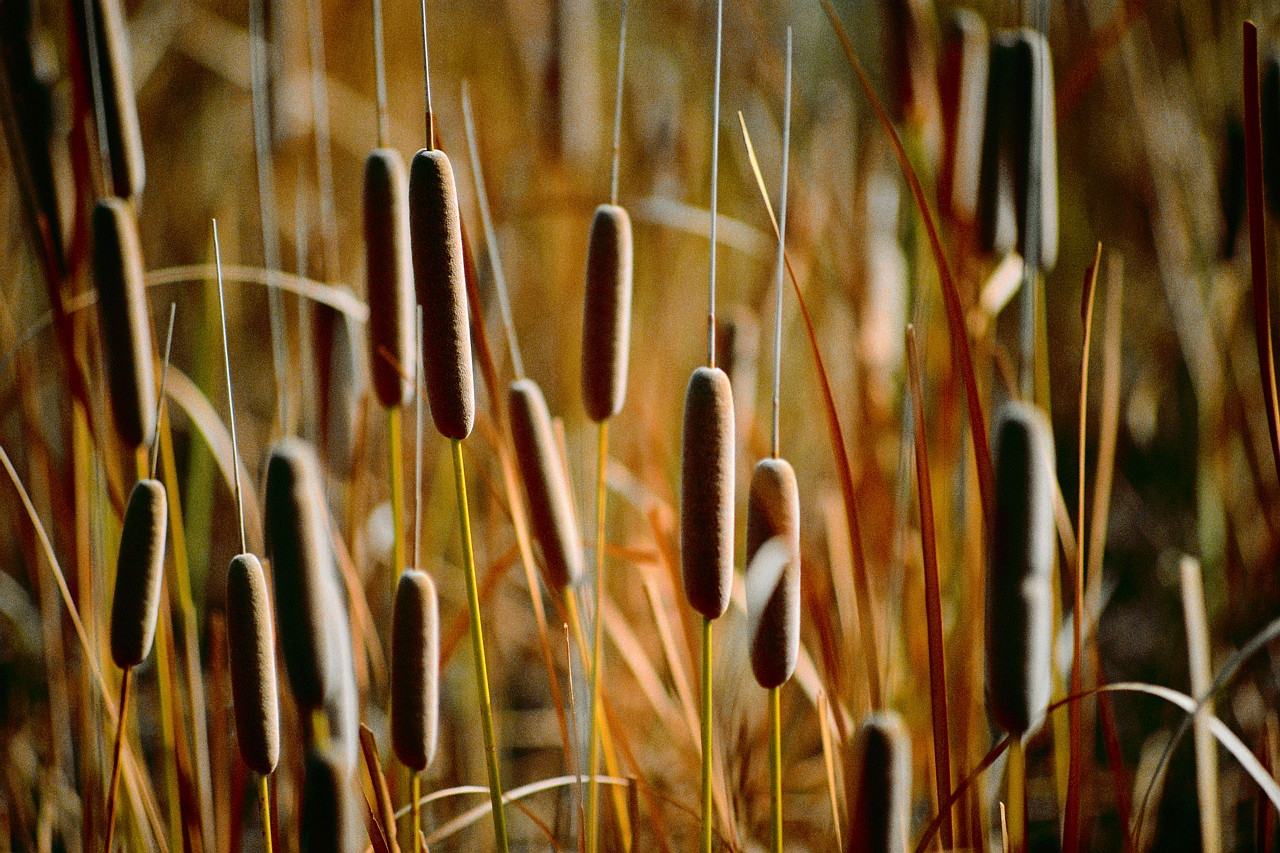
After a breakfast of rice with buttermilk, chicken soup, flat bread and strong, bitter coffee, Robbie and Amara boarded Sayyid’s flat boat and with Sayyid at the helm, set out on a journey to look at the recently refreshed marsh towns. Sayyid poled the boat through the water, skimming past huge clumps of papyrus and cattails.

Robbie watched the scenery change, enchanted by his surroundings. The fear that had sat in the pit of his stomach during their midnight exodus from Baghdad and which caused the bile to rise to his throat with every human encounter had hung an “out to lunch” sign on his esophagus, but given that the sun had barely crept above the giant forests of reeds, an “out to breakfast” sign would have been more apropos.

Robbie had cloaked himself in the customary robe and turban of the Iraqis and upon Amara’s urging, had remained silent the entire trip. Amara told the various drivers that she was taking her mute brother to Al Huwayr, a boat building town near the junction of the Tigris and Euphrates rivers where they intended to buy a mashuf and return to Zayad, their recently reflooded ancestral home. Already, Amara said, their uncle and aunt and three children had returned. The ruse had worked and here among the bulrushes and papyrus, Robbie rubbed elbows with the ghosts of the last five millennium along with a way of life he hoped wasn’t dead, but merely on life support, and like the reflooded marsh town of Zayad, could be resurrected and helped to thrive again.

“These are the biggest reeds I’ve ever seen,” Robbie said.

“It is called qasab. It is a phragmites, like you see at your American bays. But these plants have been allowed to grow undisturbed, and without pollution,” Amara said. “They can grow as large as twenty-five feet. We use them for many things, our mashufs, our huts. Too, we build our mudhifs from them. These are large building where many people can gather. Like your community center.”

“This portion of the Al Hawizeh marsh is all that’s really left of twenty thousand square kilometers of fresh water marshes,” Sayyid said. “You know this measurement? It is the maybe seven hundred miles. My people lived here for centuries,” Sayyid said. “We believed we were comfortable. We believed we were safe.”

“Here they raise cow and oxen and water buffalo and spend much time in prayer,” Amara said.

“Water buffalo?” Robbie said. “I don’t think I’ve ever seen a real one.”

“The water buffalo are very important to our way of life,” said Sayyid. “Early each morning the young boys take them to the feeding grounds. They do not return until the evening. All day they spend with the water buffalo.”

Amara laughed. “My grandfather told me a story that once he was up all night with a sick buffalo. He covered it with a blanket and nursed it back to health with a bottle and songs.”

“He sang to a buffalo?” Robbie asked.

“Yes. It is not uncommon. The Ma’adan depend greatly on the buffalo for their existence. He gives milk, among a great many other things and they thank God for this by treating the animals like family. It is not like America.”

“How do Americans treat their buffalo?” Sayyid asked

“I won’t tell you what happened to our buffalo,” Robbie said. “But I guess the modern-day equivalent would be the cow. We have two kinds, dairy and meat. The dairy cows have a cushy life compared to the meat cows, but nobody sings to them. At least not that I know of. Although I did hear once about a farmer who played music to his watermelons.”

Sayyid laughed, then grew quiet as he poled the boat through the water. “These marshes are all that is left. The Al Hammar and Central marshes are gone. Vanished. Like my people who inhabited them.”

“They will come back, Uncle. When the water returns, they will come back.”

“If God shall be willing,” Sayyid said. “You know this group? Assisting Marsh Arab Refugees? The AMAR Foundation they call themselves.”

“Yes. And I have read about another group,” Amara said, “called Eden Again. The head of this group is an American, born in Iraq. They seek to return the water, to bring back the fish to the marshes. It is this group we come to work with. To offer our assistance,” Amara turned to Robbie and squeezed his hand, “at great personal risk.”

“How do you plan to help?” Sayyid asked. “No doubt you will use your schooling that was so important to my brother.”

“Yes, uncle. I am sure they will need another biologist. And Robbie knows something about…” she turned to him for assistance.

“Environmental science. Back home I’m working on a degree,” Robbie said. “For the first time I have a good reason for it.”

“Uncle, may I?” Amara reached for the pole and Sayyid relinquished it with a smile, exchanging places with Amara in the boat.

“I know who you wish to find. Tomorrow I will take you to them. But today, we tour Al Hawizeh. It will be something for you to see,” Sayyid said, turning to Robbie. “This place is like nowhere else in the world. What Saddam has done is a crime against God and nature. He seeks to destroy the Ma’adan by destroying their way of life. But my people have inhabited these waters since the beginning. This is the Cradle of Civilization where the world began. Saddam thought to make history. And what has he done?” Sayyid spread his hands wide to emphasis his point.

“Not just genocide, but ecocide, uncle,” Amara said.

“Yes.” Sayyid turned to Robbie. “History will not be kind to him. But you have caught him. Now there is hope.” Sayyid returned his hands to his lap and gazed out over the water. “I am not a naive man. I do not dream that it all will be returned.” Sayyid gazed after the reeds and bulrushes as the boat glided past. Robbie noted the comely, proud profile.

“Do you find it strange that they should take your name?” Sayyid asked Amara.

“Who, Uncle?”

The AMAR Foundation. Do you find it strange?” The marsh narrowed and Amara directed the boat toward a dense forest of reeds. “They say a man’s name predicts his future.” Sayyid raised his eyebrows in speculation. “Perhaps this is your destiny, Amara. To save your ancestors. To restore their lands.” Sayyid stood and took the pole.

“I can do it,” Amara said, but he motioned for her to sit down so she did.

“So much like my brother,” he mused. Amara smiled, trailing her fingers in the water.

The flap of wings, the sounds of fish surfacing and retreating, the smell of dense, wet vegetation, and a million hues of green, fanning out across the landscape all formed a backdrop to the peace rising up in Robbie’s soul. He felt the adrenaline and terror ebbing away with each rhythmic pull of Sayyid’s pole and that, coupled with a full belly, conspired to put him in a state of calm, the likes of which he had not experienced since he came to Iraq. A turtle jumped off the marsh and into the water. Amara pointed and turned to see if Robbie had noticed it, but like the baby Moses adrift in a bed of papyrus, Robbie now lay hidden and in the safety of the marshes, he slept.

to be continued. . .

read what came before here

copyright 2013

dangerous beasts

finches audobonOIL IN WATER

Pam Lazos

Chapter Sixty-Four

He had spent every afternoon of the last two weeks brainstorming with Gil and Avery, reviewing plans, dreaming of possibilities, discussing permutations. Pizza and Chinese take-out had been the dinners of choice for the majority of those nights, but on the evening of the thirteenth day, Avery decided to cook. He made a fabulous dinner of moussaka, spanikopita, and Greek salad. They topped it off with a healthy helping of Aunt Stella’s baklava – Aunt Stella adored Hart – and by the end of the night, it seemed that he and Avery had discovered simultaneously what Gil had known all along: Hart was their man.

Back at the hotel, Hart grabbed a Sam Adams from the small refrigerator and sat down at the elegant desk. He drew a crude sketch of the TDU on the small Sheraton notepad, then did some calculations regarding the square footage needed to house the machine. In order to bring investors to the table, he’d have to sell the complete package, not just the conversion from trash to oil, but on to refined oil and gas. The problem was going to be with the refining.

Refineries were dangerous beasts. To convince investors to ante up for the revolutionary TDU was one thing. There were more than a handful of nouveau riche with not only the collateral, but the common sense to invest in such ground-breaking technology. But would those same people also wish to invest in the construction of an oil refinery to complement the TDU.  The reduction in air quality, the potential for spills and explosions, the astronomical construction costs, and the staggering cost of liability insurance were all good reasons not to build a new facility. The last new refinery built in the U.S. was in 1976 in Louisiana. Would anyone really want to start again now?

Hart stared out at the shimmering city lights, his mind ticking through a list of possibilities when a broad smile crossed his lips.

“Of course.”

Hart took his Sam Adams and the newspaper article about Gil and the TDU and headed down to the front desk in his bare feet. He handed the paper to the concierge and wrote down a fax number.

“Would you fax this for me? Now if possible.”

“Certainly, sir.” The concierge retreated to the back room. Hart stood at the counter and drank his beer, tapping his foot nervously. The concierge returned in a few minutes and handed Hart the newspaper article along with a confirmation sheet.

“Thanks,” he said and returned to the bank of elevators.

 ➣➣➣

Minutes later, back in his room, Hart telephoned Houston. Bicky picked up on the fourth ring.

“Hello,” Bicky croaked.

“Am I waking you up?” Hart belatedly checked the clock. It was 2 AM.

“No, I’m generally up at this hour,” Bicky replied, his voice thick with sarcasm.

“Did you check your fax?”

“As is my habit in the middle of the night. What’s up?”

“Well, I’ve been officially on sabbatical for two weeks and I’ve already found what will take us to the next level, economically, and environmentally. Want to hear about it?”

“Do I have a choice?”

“Everybody’s got a choice.” Hart said. Bicky took so long to reply that Hart thought he’d fallen back to sleep.

Finally, Bicky sighed. “Go ahead.”

“How about this? A machine that converts trash into oil.”

Bicky began a hack so violent, Hart had the hold the phone away from his ear.

“Hey, man, are you all right? Drink some water or something,” Hart said. He heard the phone drop onto the night stand as the cough receded into the background. After several minutes, Bicky returned.

“What the hell did you say?”

“I said, how about a machine that converts trash, you know, from a landfill, into petrol? Would you invest in that? And before you say another word, believe me, this is for real. I saw it with my own eyes.”

“How? Where are you?”

“In Philadelphia?”

“I thought that machine was south of the city, out in Delaware County?”

“Huh? You heard of it before?”

“Ah – something about it, but I’m not sure from who.”

Hart’s eyes narrowed and his nose twitched involuntarily, probably because his body smelled a rat, but his brain couldn’t make the connection.

“You saw this machine?” Bicky asked.

“I did.”

“You talked to the inventor?”

“Yep. Been hanging out with them for the last two weeks. Well, the actual inventor is dead. A tragedy in every sense of the word.”

“How’d you find out about it?” Bicky’s voice was coarse with sleep, which served to obfuscate his impatience so Hart didn’t notice.

“I read a newspaper article on the plane. It was luck, I think. Something weird.” Hart squinted into the past, trying to piece the events of that first day in Philly together, but like fragments of a dream, they scattered, leaving nothing but their fuzzy imprints.

“Bicky, I know you need time to think about it, but the implications…. This is beyond breakthrough.”

“I think you’re cracking up. You better come back to work before you go over the edge.”

“Listen. This machine eats trash. We install machines like this across the country and not only are our landfill problems eradicated, we are no longer dependent on foreign oil. And I’m not talking about in situ burning that releases harmful carcinogens into the air. And not trash to steam. We’re not replacing one problem with another. We’re solving two problems at once. It even helps with greenhouse gasses since that trash won’t be sitting in the landfill breaking down for a million years.”

“Yeah, yeah. You said this was in the paper?”

“Yes.”

“Which paper?”

“The Philadelphia Inquirer. Go check your fax machine.”

“That means a lot of people know about it already.”

“It doesn’t matter. This kid wants to work with me. We. . .bonded.”

“Oh, Christ. Now I see where this is going. You don’t have any kids of your own so you’re out looking for some without parents.”

“That’s not it,” Hart said. “I got the feeling that he chose me, but how, I’d be hard-pressed to say.” Hart took another swig of his second Sam Adams and sat back in his chair. “If you think about it, you really can’t write a check fast enough.”

“Did you try buying him out? The board will want complete ownership.”

“We can’t buy him out, Bicky. He’s only ten.”

“Ten! Does the phrase ‘candy from a baby’ mean anything to you?”

“His father invented the machine.”

“So you said.”

“I did? I didn’t think I said that.”

Bicky started coughing again, so Hart waited until he finished.

“The kid idolized his father. He’s tweaked this machine to maximum efficiency.  It’s . . . well it’s a beautiful thing.”

Bicky sighed. Hart could sense the conversation was winding down.

“We don’t need any investments. We’re making enough money on the product we have.”

“You’re being short-sighted. What happens when your supply dries up?”

“It’s not going to dry up anytime soon. The Middle East has plenty of oil.”

“It’s going to dry up, Bicky. Maybe not in your lifetime, but probably in mine, and definitely by the next generation.”

Bicky was silent for a minute. “I don’t have any grandkids. What the hell’s it matter about the next generation?”

Hart felt the barb in the pit of his stomach. “Kids or grandkids, we have a moral obligation.”

“Hey, maybe we’ll find a cure for AIDS while we’re at it,” Bicky snarled.

Hart almost hung up the phone, but tried one more time. “Just think about it. From where we sit, with our dwindling resources, this invention rivals the Internet.”

“Shut up, already. You’re sounding like a National Geographic article. When are you going to stop worrying about everyone else and start worrying about yourself?”

“When you stop worrying about yourself and start worrying about everyone else.”

“Very funny.” Bicky coughed again. “I’ll send somebody down to look at it.”

“Don’t send somebody down. I’m already down.”

“You quit.”

“I’m on sabbatical, remember?”

“Did you even ask him about selling?”

“They’re not selling.”

“I just want to know if you asked.”

“Someone needs to help these kids, Bicky. Both their parents are gone.”

“So are mine, but you don’t see me crying.”

“Oh, Jesus,” Hart said, utterly exasperated.

“All right. Truth be told, I’m not interested. Now can I go back to sleep?”

Hart’s anger rifled through the phone like machine gun fire. “Just so we’re clear. I’m going to get this thing built, with or without you, and when it’s done, my company’s stock is gonna shoot so high you’ll need a telescope to see me in the night sky.” Hart could hear Bicky breathing into the phone, but no words were forthcoming. “Whatever. Go back to sleep. You always have been anyway.”

“Goddamn it!” Bicky barked. “What are you going to do? Flood the market with Akanabi?”

Hart hoped his silence conveyed the fact that he was smiling.

“Go ahead, you little prick. I can withstand your assault, you stupid. . . .”

Hart held the phone away from his ear so he didn’t hear Bicky’s last insult.

“You hear me, Hart?” Bicky screamed. Hart caught the echo.

He balanced the receiver on his index finger and watched it sway back and forth like the scales of justice. He could hear Bicky’s disembodied voice yelling after him, his tirade continuing unabated. With his free hand, Hart lifted the phone and dropped it in its cradle. He sighed, like a man who has just taken his last bite of a memorable meal, sat back and folded his hands over his stomach. After allowing several seconds for it to disconnect, he took the receiver off the hook, and laid it on the table. A minute later his cell phone started ringing. He switched the ringer to mute and opened another beer.

to be continued. . .

read the rest starting here

copyright 2012

support the arts::buy the book

We love this book so much, we ache. Now, that’s some literary grit.

Read all about it here.

orchardist

lost memories, lost mind

If you commit a crime but don’t remember, did it really happen?

Read all about it here.

turn

stinkin’ rich

strange-types-ice-sundog_63630_600x450OIL IN WATER

Pam Lazos

Chapter Sixty-One

Hart spent the night at his house and woke before dawn after a fitful rest. He’d slept in his and Sonia’s bed for the first time since her death and his sleep had been plagued by eerie, disconnected dreams. Now he puttered around the house, coffee in hand, walking from room to room with no apparent direction, a wide-eyed somnambulist. He looked at each room as if seeing it for the first time. After about an hour, he took a nap on the couch.

He awoke in the still early morning with a start, a vivid image of a pregnant Sonia emblazoned in his mind’s eye. He drank two full glasses of water from the kitchen tap then stood exactly over the spot where he had found her. He lay down there, hoping to embrace what remnants of her spirit were still caught in the tiles, but felt no trace of her, only the cold floor, more unsettling than a ghost. He turned over, folded his hands across his stomach and stared at the ceiling. He didn’t move for an hour.

“That’s it.” He stood up and blew his nose. He dialed the number for a cleaning service and asked to speak to the manager. For an exorbitant sum, he arranged for a cleaning team to come that day to scrub and shrink wrap the house. Then he called his father-in-law.

Bicky showed up a few hours later and scanned the place like a realtor performing an appraisal. The cleaning crew was well into it and some of the rooms had already been “sealed off,” vacuumed and dusted from floor to ceiling with the furniture draped as if the occupant would be absent for the season.

“What the hell’s going on?”

“I’m catchin’ a red-eye back to Philly tonight. I got an oil cleanup to close down.”

“I know that. What’s all this?” Bicky’s arm arced out elaborately, a gesture that reminded Hart of float riders during the Thanksgiving Day Parade. “It’s only going to take a couple more weeks, right?”

“It is.”

Half a dozen cleaning people scurried around, dusting and draping. Hart had promised them double pay if they finished in four hours.

“Then what are they doing?”

“Come.” Bicky followed Hart into the kitchen. Hart closed the door behind him.

“Do you want something to drink?” Hart asked. Bicky shook his head and sat down, but a second later changed his mind. He pulled a bottle of Dewar’s out of the cabinet and poured himself two fingers. He made a face, but took another swig.

“How do you drink this stuff?” Bicky walked to the fridge, tossed a couple ice cubes in his drink and poured a swig from the bottle to freshen it. Then he sat down on one of the bar stools around the island. “I’m all ears.”

“I’m not coming back.”

“What do you mean?”

“What word in the sentence didn’t you understand?”

“You have to come back. You have two more years on your contract.”

“So sue me.”

“Now how would that look if I sued you?”

“Is it always about appearances?”

Bicky shook him off and turned to look at the window. “What did you do last night? Catch a ghost or something? You sound like Sonia talking.”

“She’s been talking for a long time. It’s only now that I’ve stopped to listen.” Hart pulled up a stool. “I’ll finish the job and I’ll leave that river clean as technology can get it. But after that, I’m done.”

“Hey, you listen to me. You can’t just…”

Hart raised his hand to silence his father-in-law. “Don’t give me any grief about this, Bicky, and maybe I’ll come back as a consultant. But it’s a six-month sabbatical, at least, or no deal.”

Bicky rolled his head around, stretching the tension out of his neck. “Fine,” he said. He rubbed his temples. “I guess you finally figured out you’re rich. If you sold all the Akanabi stock Sonia left you on the open market, you’d be very rich. Stinkin’ rich.”

“You think that’s why I’m doing this? Because I suddenly have money?”

“Why else? You’re not much of the power-broker type, although you have your moments. You’re more of the ‘how can I serve you?’ mentality. It doesn’t do much for me personally, but I can see the necessity of it. We can’t all be boss, right?”

Hart scoffed: “Your single-mindedness never ceases to amaze me.”

“You’re not going to find whatever it is you’re looking for, you know. Not if you searched for a hundred years.” Bicky drained his glass and rose to go.

“Where can I reach you if I need you?”

“Cell phone,” Hart said.

Bicky sighed and stared at the spotless tile floor. “I still see her there, much as I try not to. I guess you do, too.”

Hart thought he saw Bicky’s eyes begin to water, but the old man turned before he could be certain. “You’re trying to save a world that has no interest in being saved,” Bicky called over his shoulder. “You’ll call me when you realize it.”

Hart watched him walk, stiff but proud, to the front door, an elegant man, even on the verge of defeat. Hart poured himself three fingers. The day was already turning out to be much longer than anticipated.

to be continued. . .

click here to see what came before

copyright 2012

signs of a struggle

bats

OIL IN WATER

Pam Lazos

Chapter Fifty-Nine

After checking the perimeter of the house, Matheson and Traecy crossed the backyard to the barn, their flashlights sweeping the yard like spotlights. The barn door was open.

“Hhmphh,” Matheson said.

“What?” Traecy asked.

“Nobody’s here.” Matheson’s raised eyebrow said: “I told you so.”

“And your point is?” Traecy asked.

“These kids are messin’ with us.”

“You know, I think your brain’s fried like those donuts. The house is lit up like the 4 th of July, the barn door’s flapping in the breeze, and you think these kids are messin’ with you?”

“There’s no signs of a struggle, is there? I’ve been out here half a dozen times responding to that alarm. Each time it was a different excuse.”

“Yeah, well, we’d be remiss if we didn’t at least look around.” Traecy flashed his light inside the barn before walking in. Matheson followed. They scanned the empty room.

“What’s that?” Matheson said. He strained to hear something off in the distance. The partners walked outside. A noise from beyond the copse was drawing closer. Matheson and Traecy pulled their guns and crouched down, tigers at the ready.

The ATV burst threw the treeline, groaning and whining with the effort. The frame was bent and only one headlight worked, but it was running.

“Stop,” Matheson yelled. Avery’s eyes were dead-set ahead, and he would have zoomed right past had Matheson not jumped in front of the vehicle. Avery hit the brakes and stopped. The motor wheezed like an emphysema sufferer. Max yelped. Gil’s head lolled on Avery’s arm.

“Cut the engine,” Matheson yelled.

“I can’t. I have to get him to the hospital,” Avery said, his voice gravelly and full of bravado. Matheson reached over and turned off the ignition.

“No! We have to go now!” Avery roared.

Matheson grabbed Avery’s hands and held on tight. “Tell me what happened, son.”

Avery recounted the story as quickly as possible, ending with their escape from the woods on the crippled ATV. When he was finished, Matheson grabbed his shoulder and gave it a gentle squeeze. Avery began to shake.

Traecy shined his light at the trees. “He’s long gone by now.”

Matheson agreed. “Do you know what’s wrong with him?” he said, nodding at Gil.

“Concussion, maybe,” Traecy said.

“He’s got epilepsy. He might be on the verge of something.” Avery gave Gil a worried look and touched the lump on the back of his head. “He’s been holed up in the barn most of the week so I’m not sure about his meds.”

“Go get the car,” Matheson said to Traecy who took off running.

“Where’s your sister?” Matheson asked.

“Out.”

Matheson checked his watch. “Kinda late, don’t you think?” he asked, and shook his head. “I got daughters. Let me tell you, I’m not looking forward to these late night vigils.” He looked back at the house. “Maybe you want to leave a note or something in case she comes home. We don’t need another call to the precinct tonight.”

Avery nodded, looked at Gil and then at Matheson. Matheson took Avery’s place behind the wheel, allowing Gil’s head to rest on his shoulder.

“Thanks,” Avery said, and ran off toward the house.

Five minutes later Avery, Gil and Max were speeding to the hospital in the back of the patrol car.

➣➣➣

It had been a slow night in the emergency room and the boys were home in less than three hours, stitched up, wrapped up, and already on the mend. They both had several cuts on their faces and arms, but nothing that required stitches. The ER Doc dressed the wounds with salve and put bandages over them with instructions to keep them dry for twenty-four hours. He even treated Max, completely against the rules, but Matheson had intervened, telling the ER Doc that, but for the noble canine, the boys might not be sitting here tonight. Matheson admonished to doctor to report any patient arriving with teeth marks in his leg. The doctor agreed and sent the boys home with packets of Tylenol with codeine for the pain.

Avery sat cocooned in a blanket on the couch. Despite the medication, he couldn’t sleep and decided to wait up for Kori. He had a spectacular view of the sunrise as it gained, then overtook the horizon, the explosion of color seeping into the dozens of smokey vapors dotting the sky, lending its luminescence to their whiteness, and adding to the overall brilliance. When you looked at a sky like this, there could be no questioning the existence of God. Although physically, Avery felt fine, it was the pain in his heart that was causing him grief, and this view, all orange and red and resplendent, was doing its damnedest to alleviate that ache.

As if drawn by the intense beauty, Gil padded down the stairs in his stocking feet, looking reasonably alert under the circumstances. He had a bandage wrapped around his head, looking like the revolutionary war boy who played the flute and marched without proper footwear. Avery stifled a laugh and turned back to the magnet that was pulling all the angst from him.

“You hungry?” he asked Gil. Gil nodded, but Avery didn’t even look. He knew what the answer would be. He began to rise, but Gil put a hand on his arm to stop him.

“Just wait until this is over,” Gil said.

Avery flopped back down and offered Gil part of his blanket.

Gil sighed at the ongoing show out the window. “Did ya’ ever notice how you stare and stare at something and it just blinds you? It’s like you can’t see it at all. But if you look away, even just off to the side a little, then, you can see it clear.”

Avery tucked the blanket up under Gil’s chin. Max jumped up and sat on both of their legs. The last vestige of color wrote its name in the sky.

“Kori should be home soon,” Avery said. Gil nodded.

The sunset faded, reminiscent of life’s impermanence, into a new, blue day while Avery and Gil, stretched out on the couch side-by-side, their heads and shoulders touching, fell fast asleep.

➣➣➣

It was early morning when Kori came home to find her brothers sitting up and sound asleep. Max’s massive head was curled up on Gil’s lap, his body on Avery’s. Two things were strange: the T.V. wasn’t on, and Gil had a large white bandage tied around his head. She stood there, appraising the situation when Avery awoke.

“Hey.”

“Hey.”

“What the heck happened to you?”

“A lot. Where’ve you been?”

“Out.”

“Well, that’s helpful.” Avery yawned and rubbed the sleep from his eyes. Kori moved in for a closer examination of Gil’s contusions and abrasions.

“What’s going on?”

Avery drew a breath. “Somebody tried to break into the barn in the middle of the night. Gil chased him down, flipped the ATV and suffered a minor concussion. Max picked up where Gil left off and had him pinned up in a tree until he got shot. I just picked up the pieces until the cops got here and took us to the hospital.” Avery stretched his neck, sore from sleeping sitting up, and sat back matter-of-factly. “How was your night?”

Kori stared at him, silent and agape.

“I said how was your night?”

“Is this some kind of a joke?” Kori asked. Avery shook his head. Gil yawned, wide as Max ever could, and opened his eyes.

“No joke, sister,” Gil said. “This is the stuff movies are made of.”

“Oh yeah?” She studied Gil’s ashen-colored face, touched the bandages to see if they were real. Gil flinched for effect. “What would you give it?”

“Four stars,” Gil said.

“Four? You’re kidding me.”

Gil shook his head, slow and serious. “It was really scary.” He pinched himself on the arm. “And we weren’t even dreaming. We could have died, huh, Avery?” He looked at Avery and then rubbed noses with Max. “If not for Max, we could have.”

Avery shuddered involuntarily.

“Is somebody going to tell me what the hell’s going on?”

“I’ll tell you if you make us breakfast,” Gil said. “A big breakfast. I’m starving.”

 to be continued. . .

what came before

copyright 2012

walking away from home

Harold never set out to be a hero, but that’s generally how it happens, isn’t it?

see for yourself here

harold fry