police + action

donutOIL IN WATER

Pam Lazos

Chapter Fifty-Seven

The alarm that Robbie and Jack had so meticulously wired tied directly into the police station, and when tripped, notified the dispatcher of the presence of a intruder at the Tirabi residence. The dispatcher put out the call which was received by Officer Matheson and his partner, Officer Traecy, currently on their coffee break at the local diner.

Tony, the owner of the diner was a young man in his late twenty’s taking on his first business endeavor. Looking to keep costs down, he worked the midnight shift alone, alternating between bussing tables, food and coffee prep, and customer service. Right now, he was out front wiping the counters and listening to Matheson’s myriad stories of extended familial allegiances.

“I’m not kidding ya’. Bud is $3.75 a quart at Farrell’s, my uncle’s place,” Matheson said. “He’ll even give you a to-go quart cup if you want. I used to go in a lot with my cousin, Huey. Three Hueys in one family. The dad, the grandfather and my cousin. Talk about branding your kids. All part of the circle of punishing, I guess.” Matheson and Traecy laughed while Tony restocked styrofoam.

“Just like’s Mom’s,” Matheson said, taking a sip of his coffee. His radio crackled to life. The dispatcher relayed the information regarding a potential break-in at the Tirabi’s.

“We’re on it,” Matheson said, signing off. He signaled Tony for a refill which he sipped with apparent satisfaction.

“Shouldn’t we go?” Traecy asked.

“Nah. It’s the Tirabi kids again. They set that alarm off once a month.”

“Yeah, but what if…”

Matheson waved him off. “It’ll be fine. Just let me finish this and we’ll check it out.” He forked down the last bite of an omelet.

“Hey, Tony. One to go, huh?” Matheson said, holding out his styrofoam cup.

Traecy shrugged. Ten minutes after dispatch called, they were en route.

 to be continued

start with what happened here

copyright 2013
being + doing

when we blush, we blush with pride and not just a little fiercely.

natural-pearl

evolve or revolve

you can blush if you want. we do it all the time.

1137283577_uresathena

genius love

We love books, architecture, and love. Read all about it here.

lovingfrank

give me time

we blush, and for good reason.

o'keefe

we heart poets too

We love sharing our friends’ literary successes.

Read Sandy Giedeman’s poetry here. She’s amazing.

hollywood

what writers are reading

we know what we like and we really like this book.

read our review then buy the book in honor of a girl you love. gr.

tell the wolves

playing with food

we have something to say and it’s no blushing matter.

talk talk talk

we blush and we know it. you can know it too.

crashing cliches

Journal THAT

a guide to writing

Cynthia Gregory

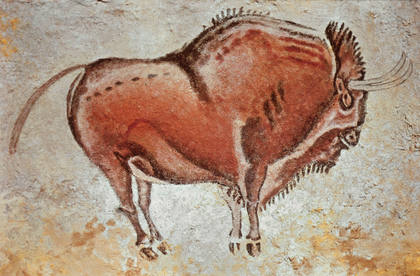
Like photographs, clichés are the shorthand of communication. If a picture truly is ‘worth a thousand words’ (a pretty cliché) it’s because its cash value rests on the fact that the ancient part of the brain, the primitive lizard brain, the dreaming brain, communicates with pictures. I mean seriously, think about it. Before written language, our ancestors drew pictures of actual horses to represent “animal” or “the hunt” or “wild and free” before there were actually spoken or written words to convey the ideas. Now, however, we are wildly sophisticated and have a language (or two) that we can manipulate to communicate otherwise free form ideas floating inside our cabezas.

Storytelling served as a history lesson before written language, and storytelling today is as popular around the campfire, board room table, or cafe four-top as ever. Stories are innately wired into us and as humans, we crave and respond to the story. The stories of our lives, our novels, movies, television and cable news, are a series of pictures – both visual and virtual. Actual photographs and pictures  illustrate a narrative we may tell, as in “see? I was in Paris – here’s the Eiffel Tower,” or “here’s a photo of little Sophie Soo, ten years old.” In each case you may be telling a story, constructing a narrative and sharing information about your travels and your dog, backing your verbal story up with photographic evidence. So yes, pictures are worth thousands and thousands of words.

And if all those wonderful words at our fingertips were colors, original ideas are bright, clear fountains of rich hues, and clichés are dull as dirt.

The trouble with clichés is that they are so infused into our daily language, we hardly recognize them for their trite, frayed selves. Advertisers know this. They know that people are put off by formal language, fancy words, words that stand up straight and march with a snap in their step, so they dumb down marketing messages, intentionally inserting clichés so that their uber-sophisticated messages sound “down to earth” (cliché!) and “right as rain” (cliché!). Television programmer know this too, and make sure our televised stories don’t get too smarty pants, else run the risk of losing viewers –although because of the trance-like fog I fall into when I tune into a program I happen to enjoy, “viewing” isn’t exactly what I’d say I was doing. I’d bet a nickel that not one filter remains intact with all that bad, cliché loaded language comes washing over me. While some programs are brilliantly written, most programming I’ve observed seems to be no more than 30 minutes of tired ideas strung together. So when you think about all the hours of programming and bad language we’re exposed to, it’s no wonder we’re up to our eyeballs in clichés.

So, if everybody is guilty of crimes of language abuse, then it must be okay, right? In the words of mothers everywhere, “just because all the kids are doing something doesn’t’ make it right.” Clichés have their place, which is definitely not between the covers of your journal. You want your journal to be clear, concise, absolutely fecund with the rich details of your life, so absolutely pitch-perfect that with even a quick glance, you inspire yourself to write. Even. More.

So, once in a while work your language muscle a little harder. Avoid the flabby turns of phrase. Jettison the flaccid prose that comes so easily. Instead, read an amazingly genius writer and then journal. Turn the TV off, and journal. Instead of taking the easy way out and dropping in an over-worked and sad sad sad cliché and reach for something original. You may just surprise yourself with your own genius.