Unknown's avatar

About Cynthia G.

Cynthia Gregory is an executive coach, nonprofit consultant, and creativity coach living with a menagerie of two among the vineyards and coastal hills of Northern California.

murky water with low visibility

OIL IN WATER

Pam Lazos

Chapter Forty-Three

Hart descended into the murky realms of the Delaware River, enjoying the cocoon-like warmth of his wet suit. He had opted for it over the dry suit even though the water was on its way to below freezing. The dry suit would keep him dry, but not warm enough, not in these arctic-like conditions. Ah, but the wet suit, that was a suit of a different color. It sported an insulated neoprene hose which tied onto the outside of the umbilical, ran down the side of his body and attached at the spider, a three-way valve at the waist of his suit. The hose was fed by a hot water machine that had an oil-fired burner and a digital thermostat to control the temperature. Under usual circumstances, water to feed the hose would be drawn from the water body the diver found himself in, but given the petrol load the Delaware was carrying, Hart directed the hot water machine be fed with water from a local fire hydrant and transported via garden hose. The hose was threaded around the interior of Hart’s wet suit and one hundred degree water escaped through the little holes poked in it, entering in myriad locations and keeping his whole body warm. The hose could even blow warm water through the cuff and into Hart’s smaller gloves making the large, bulky, but warmer three-finger gloves unnecessary. Hart closed his eyes, allowing himself to bask for a few moments in the warmth before proceeding down the ladder into the water.

The Delaware river, a murky water with low visibility on a good day, was even worse today because of the impending storm. Hart reached a level that he assumed would be the bottom of the ship’s hull, but without touching it he couldn’t distinguish metal from water. He dropped another few feet, holding fast to the traveling line, but the scenery didn’t change.

“Great. Now what?”

“What’s up, Boss?” Smith’s voice crackled through Hart’s umbilical flooding the inner chamber of his helmet with sound.

“I can’t see a damn thing. What are they puttin’ in this water anyway?”

“Lots of industry around here. Ships going up and down the channel churnin’ up the bottom. The Army Corps always dredging it to keep the depth right. Then there’s the farming,” Smith mused. “I’d say you got some sediment, some debris…”

“It was a rhetorical question, Smithy.”

“…and, I’d leave it at that. You don’t want to be thinking too hard about what you’re swimming in unless you want to puke in your helmet.” Smith cracked up at that, and Hart joined him, his body quivering with silent laughter.

“Smithy. Help me here. I can’t see the ship. It’s no where in sight, far as I can tell.” Hart flicked his headlamp on and off, looking to bounce the light off of something. He wrapped the tow rope around his leg before reaching his hands out in front of him, groping vainly in the darkness. “I got nothin’.”

“The traveling rope should be about three feet in front of the Ryujin . So if you’re facing in the right direction, you could jump…”

Before Smith could finish his sentence Hart jumped, using the traveling rope for leverage, and after a forward propulsion in slow motion, his helmet came to rest against the hull of the Ryujin with a resounding thump.

“What was that?” Smith asked.

“My brains getting rattled.” Hart moved his hands along, feeling for the bilge keel, the fin-like projections from either side of the hull that helped stabilize a ship in rough seas. He cast his light directly on the hull and found he could see somewhat better. Hart’s thin gloves allowed for greater movement, but also meant he’d be more prone to cuts and scraps against jagged metal. He proceeded with caution moving down and around the bottom of the hull, alert for sharp metallic pieces of the ship’s frame.

After several dim minutes, Hart’s glove snagged on a sharp object. He trained the light in its direction and found a hole, about fifteen inches wide and half as long. He reached his hand in, feeling the emptiness of the space where the oil used to be and shuddered. The boulder, or whatever it was, had ripped a hole right on a seam of the hull, a faulty one at that. Hart’s eye followed the rip in the hull until it dissolved into blackness. He pulled out an underwater tape measure and after ascertaining the width, proceeded down the length of the hull looking for the end of the rainbow. Eight and a half feet later, the gaping stopped. Now it made sense. Hart had been wondering how in the hell so much oil had come out of what he was thinking probably looked like a small gash in the bottom, given both the pilot and captain’s descriptions of impact. With a small hole and entrainment, most of the oil would have stayed put while the ship was moving. But this was no small hole. The impact had given way to a split seam on the hull. With a hole this size, no matter how fast the ship had been going, the oil was coming out. Zenone was right: time to retire the single-hulled vessels. The expense to the company was nothing compared to what it was doing to this river. He’d talk to Bicky about it as soon as he got back. Bicky would have other ideas, but he’d never been on Site for a major oil spill either….

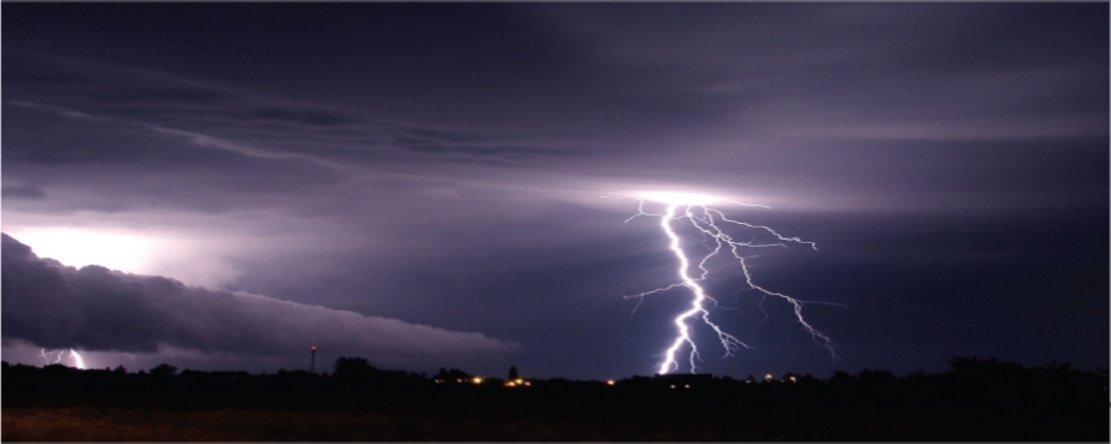
“Hey, Boss.” Smith’s voice interrupted his thoughts. “Time to come home. Coast Guard just issued a squall warning. They want all ships and other non-necessary personnel out of the water, pronto.”

“I can’t see a damn thing anyway, got so much oil on my face-plate,” Hart said. “I’m on my way up.”

to be continued. . .

click here to see what led to this state of affairs

copyright 2012

we heart books oh yes we do

we couldn’t make it any easier for you so please just read it now.

don’t do anything rash

we laugh, we cry, we itch, we blush; and you’re invited to the party.

the coming storm

OIL IN WATER

Pam Lazos

Chapter Forty-Two

Zenone stood outside the command post, watching the river and contemplating the next move. He nodded at the clean up crew’s progress, somewhat satisfied with the speed at which the raking and shoveling at the shoreline was making a difference. He could actually see the beach in some spots whereas hours ago, there was nothing to see but brown crude. As clean up crews went, this was a savvy bunch. They got to work immediately after receiving the basic safety instructions and didn’t appear inclined to loaf. Perhaps there was hope for recovery of this shoreline. Zenone had been with the Coast Guard for twenty-two years, fourteen of which he’d been specializing in oil spill removal. In his experience, it would take years for a spill of this magnitude to lose its effect on the ecosystem and likely decades before all the oil was gone from the shorelines, if ever. But right here it wasn’t so bad. On a sensitivity scale of one to ten, the mixed sand and gravel beaches were about a five. This beach, and likely most of the beaches along the Delaware from Marcus Hook to just north of Slaughter Beach, Delaware – roughly eighty-five miles of shoreline – would recover with time using the cleanup strategies he was employing. What may not recover, however, was Tinicum Marsh.

Zenone pushed the thought back into his grey matter and coughed. He sucked in the persistent post-nasal drip that the foul smell of too much oil in the ambient air caused him and spit on the ground. He cleared his throat and swallowed. His saliva felt viscous and unnatural. He coughed and spat again.

His cell phone rang and he grabbed it off the belt at his hip, still coughing.

“Zenone.” He looked in the direction of the vacuum boat idling on the water, a small barge about twenty-five feet long that could carry four to five people. It was powered by a single-diesel engine, had a storage tank below deck and an oil skimmer above and was capable of removing thirty tons of heavy oil per hour if it could catch it. Zenone could see the Captain of the tug standing at the stern, cell phone to his ear, waiting for the signal. “Go ahead,” Zenone said into the phone, snapped it shut and replaced it on his hip.

The Captain flashed a thumbs up and the vacuum boat circumvented a thick mass of the slick, trailing a boom. The plan was to circle out and encapsulate as much of the oil as possible in the boom, like outstretched arms slowly pulling together, then swing back in, leaving the boom on the water in a V-formation. The booms were made of tough, non-corrosive plastic, rectangularly-shaped with a bulbous center mounted to a rubber skirt that rose above and below the boom and which entrained the oil, working as a dam to stop it from rushing over or under the barrier. This worked effectively enough in calm waters, but when the winds got rough and the waves picked up, increasing the water’s velocity, there was not a boom made that could stop the oil. When the boom was in place, the vacuum boat turned around and set the skimmers on the oil, munching, crunching and sucking it up using two hydraulic-driven pumps. The pressurized system funneled the oil through a tube and then to a gravity separator. Once decanted, the remaining water was pumped off and dumped back into the river. The oil was disposed of in a two thousand gallon holding tank to be dealt with later either by pumping it off back on shore, or to a small portable hundred foot barge that would intercept it and take it to shore so the vacuum boat could keep skimming.

Zenone checked his watch and then the sky, hoping the weather would hold. He had another ten vacuum boats working the entire stretch of the river, some provided by the Coast Guard, some by EPA, and some by Akanabi Oil. If he could get another ten …

His attention was drawn by the grunting and puffing of two muckers trying to stuff an oil-laden absorbent boom into a disposal bag. The third man grabbed a fresh boom off one of the trucks and headed toward the water. Zenone decided to take back what he said about them being savvy – absorbent booms weren’t to be used until the final stages of the cleanup since other methods, like vacuum extractions, worked better on large quantities of oil – until he looked at the flatbed. The hard, non-corrosive plastic booms were suspiciously absent, and in their place were the sorbent ones. Damn Akanabi Oil. More like Psycho Oil . He barked at the nearest mucker.

“Where the hell are the large plastic booms?” Zenone barked.

“I don’t know. This is all they sent us,” the man replied, then scampered off to join his comrades, leaving Zenone staring after him.

“Hey, Jim. Bring more diapers,” called a young, college-age woman, to her colleague walking toward the supply truck. The man nodded and grabbed another bale. She got down on her hands and knees and pressed absorbent pads – cloth diapers on steroids – into the sand. The pads soaked up small bits of oil, a time consuming process. She reminded Zenone of his own daughter and smiled at her fastidiousness: her little section of the beach was virtually spotless.

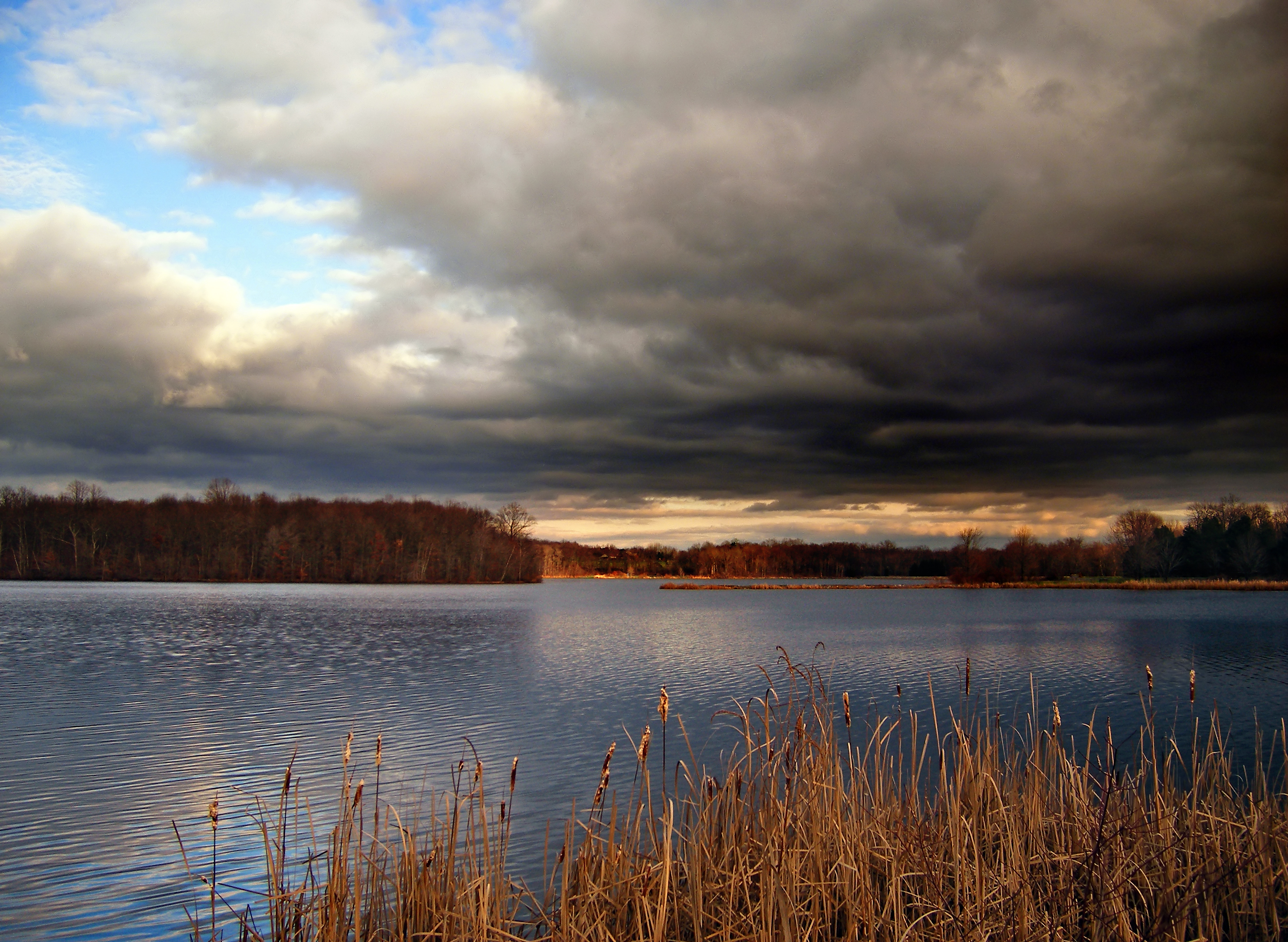
Zenone cast an appraising glance upward. The clouds looked more threatening than they had at daybreak, and so thick as to appear seamless. He knew a storm was coming, barely hours away. He felt it in the right wrist, the one he’d broken as a kid. It was the best weather detector he’d encountered to date. He flipped his cell phone open and dialed the number for NOAA anyway. After two rings, someone answered the phone.

“Yeah, who’s this?” Zenone asked. “Hey. It’s Zenone. I need a weather report for the whole tri-state area. Call me back the minute you got it, alright?” He flipped the phone shut.

A horn beeped and Zenone turned to see Lapsley pull up to the command post with a passenger. Zenone met them halfway.

“Hey, Chief. This is David Hartos,” Lapsley said. “Akanabi’s head engineer. He’s your contact.”

“Good to meet you,” Hart said. “Whatever Akanabi can do, please let me know.”

Hart reached out a hand and Zenone gave him a death grip that made him flinch. Zenone smiled, but covered it with a hand to his mouth and a little fake cough. He liked to put them in their place right off, so there wouldn’t be any difficulties with chain-of-command later.

“How about you check on those booms. They sent absorbent instead of plastic. And maybe find some more vacuum boats. If we could get ‘em out before the storm comes we might get somewhere. But if you really want to help, you can tell them to retire all their Goddamn single-hulled ships. They’re a menace.” Zenone grimaced and turned to Lapsley. “Where’s my helicopter?”

“Coming.”

“So’s spring.”

“Really, you’ll learn to love this guy,” Lapsley said, turning to Hart. “He’s got a tough exterior, but a heart like gold.” Lapsley turned back to Zenone, eyes glistening with humor. Zenone smiled mechanically, but his eyes reflected a hidden mirth.

“NOAA’s sending one,” Lapsley said. Everything the Coast Guard’s got was already deployed. Apparently there’s a big storm brewing down off the coast of North Carolina, heading this way, and bringing some high winds with it. Came up really fast. A few fishing boats needed to be rescued.” Zenone sighed and nodded his head absently.

“Did you notify all the local water intakes…”

“Yes.”

“…cause you know, if they don’t shut ‘em down, they’re gonna be local oil intakes…”

“ Yes ,” Lapsley said again. “It was the first thing I did this morning. Now would you chill. You’re giving me the shakes.” Lapsley smiled and Hart snickered. Storm clouds hovered like doom on the horizon.

“Alright, let’s go in.” Zenone turned to Hart. “I want to show you something that perhaps you can explain to me.”

Hart nodded and followed Zenone into the command post.

➣➣➣

Zenone poured a cup of coffee, a thick, viscous substance that looked itself like petroleum, handed it to Lapsley, then turned to Hart to see if he wanted a cup. Hart shook his head no. He’d had more than enough cups of bad coffee today.

“What? D’you pull this from the river?” Lapsley said, and took a sip anyway.

Zenone walked to the drafting table and handed Hart Akanabi’s SPCC Plan.

Hart scanned the cover and raised his eyebrows. “Is it deficient?”

“You bet it is.”

Hart opened it. Blank pages. He flipped through a couple pages at a time, but the blankness remained.

“Did you prepare that plan?” Zenone asked.

“No. And I’m not sure who did, or rather, who was supposed to,” Hart said. “Did you get this from the ship’s Captain?”

Zenone nodded. Hart rubbed his forehead.

“You know there’s a fine. Up to $32,500 for failure to have a spill plan. And another one for failure to implement it. Not to mention the fines for all the oil in the water. They accrue daily.”

“Yeah. I know.”

“Just so we’re straight.”

“We’re straight.” Hart stood and offered Zenone his hand.

Zenone took it, but this time Hart was ready for him. He squeezed back with equal force, forcing a smile out of Zenone.

“It’s been a pleasure, but I’ve got a dive to get ready for.”

Lapsley rose. “I’ll drive you back.”

“Inspection?” Zenone asked.

“The Ryujin, ” Hart replied. I’ll let you know what I find. And for what it matters, I wholeheartedly agree with you about the single hulls.” This time Zenone smiled for real.

 to be continued. . .

to read the back story, jump here

copyright2012

read::write::repeat

we are not kidding:: lit geeks rock.see why here

ridiculous and sublime

We blush, we blog, and we vote. Read all about it!

back to the sea

OIL IN WATER

Pam Lazos

Chapter Forty-One

It was Frank Charlton, the manifold operator, who had first seen it and what he saw made his stomach tuck and roll like a Hollywood stunt man. The sun had poked a ray or two over the horizon, visible through the few breaks that existed in the rack of cumulo-stratus clouds now marching in formation across the sky. They were just getting ready to dock at the Akanabi refinery at Marcus Hook. Charlton had come out for a breath of crisp January air in the hopes it would rouse him, but caught of whiff of something thick and pungent instead. He stuck a head over the side of the ship, then ran to the stern with full knowledge of what was happening, but a need to see it first hand.

He peered down into the churning, black water below. The diffused light from the overcast sky laid a grey pallor over the water, but didn’t hide what Frank had feared. A thick trailing line of oil stretching from the stern of the Ryujin to as far south as the eye could see. He resisted the urge to vomit and, stumbling over himself, ran to the Captain’s quarters and knocked.

“Captain. Beg your pardon, sir, but we have a problem.”

The door flew open and there was Captain Reed, looking like he’d been up all night. His clothes, however, were freshly starched and pressed.

“What is it?”

“The Ryujin is leaking oil, sir. Off the stern.”

Reed’s eyes grew large. He pushed past Charlton and raced to the stern with Charlton on his heels. Sure enough, an unctuous trail of oil stretched from the stern to infinity.

“What in God’s name…?” Reed ran to the front of the ship, looking occasionally over the side as he ran, but saw nothing. He ran back to the stern and looked again, just to be sure. He rubbed his face with his hands.

“But last night…. Oh, my God. Where the hell did it come from?” Reed stopped and stared out over the black waters and the even blacker oil shimmering in the pale morning light.

“Radio the Coast Guard. No…I’ll do it,” Reed said.

Charlton nodded. “Shall I inform Pilot Anderson, sir?”

“Yes. I mean no. I’ll do that as well. Make sure the crew’s ready for landing. We’re here. We may as well dock. Get some divers down there and see what’s going on.” Reed shook his head at the river, as if she had something to do with it, raised his fist and slammed it hard on the railing. Charlton flinched, knowing that it had hurt; Reed’s face did not change.

“Go,” Reed said to Charlton without turning. Charlton scampered off to relay orders and spread the news. Reed gripped the railing with both hands and stared at the growing menace.

➣➣➣

Reed went back to his cabin, pulled out the maritime safety manual and placed it on his desk. He didn’t need to look at it. He knew what it said. He’d read it a dozen or more times just in case, but had never needed to use it. In the event of a maritime spill from a vessel, the vessel officer was to notify the National Response Center which is staffed by the Coast Guard. NRC would adopt an incident as opposed to unified command system and the Coast Guard would assign an On-Scene Coordinator, or OSC, who would be charged with overall responsibility for the incident as well as notifying the Environmental Protection Agency, the Pennsylvania Department of Environmental Protection, the state and local fire hazmats, and the County Emergency Management Association. That, times three, he thought, because the spill occurred in a tristate area and certainly Delaware and New Jersey would want to have a say in what goes. Not to mention the various and sundry agencies with interest: U.S. Fish and Wildlife Service; the PA Game Commission; the PA Boat Commission; the National Oceanic and Atmospheric Administration. At least only one person would be in charge and that person, the OSC, would come from the Coast Guard.

Reed rubbed his forehead in contemplation and swallowed the thick feeling that was creeping into his throat. He too, originally came from the Coast Guard. That might help. Might . For the first time in his adult life, he felt like he might cry. In hours, the place would be crawling with personnel from dozens of agencies and he’d be in the center of it all. Damn that Anderson. For a moment he felt a stab of regret for his hasty actions the previous night and wished he wouldn’t have been so quick to intervene. Anderson was probably right. The small craft was playing chicken with them, and was not on a suicide mission. Still, the public and the media would want a scape goat and if Reed had anything to say about it, it wasn’t going to be him.

He stood, brushed the imaginary wrinkles from his heavily starched uniform and strode to the door, maritime safety regulations in hand. Time to radio the Coast Guard.

 ➣➣➣

Within hours roughly three dozen personnel from various agencies were swarming the banks of the Delaware like bees to the hive, loading skimmers onto pollution control vessels; unloading trucks carrying oil containment booms; spill containment berms; sonic bonded sorbent pads; emulsifiers; trash bags; overpack drums and containers for waste disposal; Tyvek suits; black sturdy rubber gloves, yellow rubber boots and shoe coverings; safety glasses and goggles; disposable earplugs; and all manner of oil spill paraphernalia. A vacuum truck sat idly by, its engine running, waiting for its first big drink of the brown, oily stuff.

Federal On-Scene Coordinator and Marine Safety Officer, Frank Zenone stood in the center of the command post, a trailer set up along the banks of the Delaware, scratching his head in sheer bliss. Having banished the itch to another realm, he ran long spindly fingers through his hair, smoothing it back into place before replacing his hat. Zenone had been up long before he got the 5 a.m. call, responding to a small oil spill upriver at the New York/New Jersey border. It had turned out to be a false alarm. He’d arrived at Marcus Hook by boat which took him substantially longer than it would have by car. Although the sun had been up for more than a few hours, the day was as bleak as any night with a cloud cover that threatened to choke the light out of it. That coupled with a threatening wind chiming in from the north and Zenone knew it was going to be a long day. He looked out the window and sighed.

The weather complicated matters, adding its weight to a job the tide had already begun. When the oil spill occurred, the waters of the Delaware River were doing their damned best to get back to the sea, taking with them roughly 350,000 gallons of oil that had managed to escape from the confines of the Ryujin’s holding tanks. Stupid bastards. Hard to blame them for not catching the trail of oil with less then a flicker of moonlight. Still they should’ve been checking every half hour, Christ every ten minutes after scraping bottom like that. Maybe they’d have seen the oily sheen. Rotten luck. He rubbed his hands up and down his face to rouse himself. He could blame them, but he wouldn’t. That wasn’t his job. His job was to get this Goddamn mess under control before the tide and coming storms did more damage.

Zenone sat down at the drafting table and turned his attention to the SPCC Plan he had taken from the Captain of the Ryujin , a bound report, about an inch thick with a nice bond cover and spiral binding. The cover page read Spill Prevention Control and Countermeasures Plan for the Ryujin dated January 2004. So, they’d either created the Plan or updated it just before sailing. Well, that was promising. He turned the page and was shocked at what he saw next: nothing. Now he could blame them. Bastards didn’t even have a plan in case of a spill. He chortled, disgusted, and looked out the window to where another two dozen workers disembarked from a large, converted school bus to join the clean up operation on the beach, a rudderless group. He huffed, rose, and walked out of the trailer, but a ringing phone drug him back.

“Zenone.”

“Yeah, Frank. It’s Lapsley. Charlton’s almost done.” Victor Lapsley, an OSC for the Environmental Protection Agency, had been the first responder on Site, almost an hour ahead of Zenone since he had come by car. As a result, Lapsley had been the Incident Commander on the scene for a brief stint, but was showing no signs of wanting his old job back.

“Who’s Charlton?”

“The manifold operator. I just talked to him. He’s almost finished pumping off the last of what was in the holding tanks.”

“Already? Jesus Christ.”

“What? I thought you’d take that as good news since the hull’s still leaking.”

“Yeah, yeah, that’s good. But that operation takes the better part of the day. So if he’s almost done, we got more oil in the water than we originally thought.”

“Nah. Akanabi got the lead out,” Lapsley said and immediately chuckled to himself. “Hey, I think there’s a pun in there.”

Zenone rolled his eyes, a gesture Lapsley apparently could feel rather than hear through the phone because he cleared his throat and continued.

“Anyway, last I saw, Akanabi had the Ryujin docked and hooked up to every available hose. They wanted the stuff out as fast as possible.

“So how much is in the water?” Zenone asked.

“Well, I think our original estimates are right. About 350,000 gallons, give or take.”

“You talk to the Captain?” Zenone coughed. The winds were picking up and the smell of oil seemed much stronger now as it meandered through his olfactory system. He could feel it inching up his nostrils into his nasal cavity and twitched his nose to ease the sensation. It didn’t work. He sneezed. Oil vapors went flying.

“Bless you,” Lapsley said. “Yeah. Reed. Also to Akanabi’s Chief Engineer. Guy named Hart. Captain seemed a little jumpy.”

“What did he say?”

“Some story about a motor boat soon after they left the Bay and the river pilot overreacting. Pilot swung out of the channel. Wasn’t using his radar. I don’t know, somethin’s weird. I’m sure the Pilot will have another story.”

Zenone coughed. “Alright, whatever. When you’re done, come on down. I’m heading out now to give two dozen clean up workers my safety spiel.”

“See you in an hour.” Lapsley hung up.

Zenone held the phone, listening to the dial tone. Out of the channel, huh ? He put the phone in its cradle, sneezed again, and headed out to greet the clean up crew.

➣➣➣

Half an hour later, after a quick synopsis of how to use the cleanup equipment followed by an even quicker recitation of the safety hazards associated with oil spill cleanups, including references to slips, trips, falls, poisonous snakes and poison ivy, Akanabi’s muckers, the untrained labor hired by the company to don Tyvek suits, rubber boots, safety goggles and gloves and do hand-to-hand combat with the enemy, were mired ankle-deep in a miasma of pure crude. They hung together in groups of two’s and three’s, working at the shore line, shoveling clumps of oil into buckets and bags and disposing of it into the dozens of overpack waste disposal drums standing by. The larger clumps were fairly easy to retrieve, but as they got down to the finer stuff it became more elusive, like trying to catch a minnow with your bare hands, and with the pre-formed plastic gloves, such minutia was impossible to be gathered. What couldn’t be bagged was raked into the gravelly sand to be dealt with later by Mother Nature herself either through erosion, weather or eventual degradation. Within half an hour, each of the muckers were covered, literally, from head to toe in oil. The Tyvek helped, keeping them from getting soaked through to the skin, as did the gloves and boots, but working as they were, surrounded by thick blobs of oil, and sometimes standing in ankle-deep water, the ubiquitous crude seeped into their eyes and ears and up their noses. And that was the worst part because you couldn’t get away from the smell, not even by holding your breath. Some of the more industrious muckers waded out into waist-deep water in pairs, stretching a five hundred foot sorbent boom across the surface and corralling the oil back to shore to a central location where the vacuum truck could suck it out with a hose. The boom was made of oleophilic, or oil loving material, a high quality polypropylene with great absorbent qualities and generally used for the last stages of a cleanup. The problem with using the absorbent booms for large doses of oil was that saturation ultimately rendered them ineffective. As a result, the muckers were going through booms like kids through candy, disposing of them after a single use, but keeping the vacuum truck busy.

The vacuum sucked up oil as well as water, but by some miracle of technology, the truck only disposed of the oil, allowing the water to settle out in the bottom of a holding tank and sending it back, sans its oily compounds, to the river where it belonged. Of course, you couldn’t get it all out. Oil was as persistent as it was pervasive and although over time the chemical compounds would break down and disperse, inevitably some portion of the oily substance would remain, infused into the water column, or in pockets on the beach, or on the underside of rocks, forever changing the face of that which it touched.

 to be continued. . .

to read what led to this state of affairs jump here

copyright 2012

without warning

OIL IN WATER

 Pam Lazos

Chapter Forty

“What?!” An incredulous Hart stared at his father-in-law across the broad expanse of Bicky’s mahogany desk. “How the hell did you let that happen, Bicky? Every regulatory agency within a hundred mile radius is gonna be on this. Not to mention the citizens’ groups. The lawyers are probably running to the courthouse now.” Hart rubbed his temples.

“Oh, would you cut the dramatics,” Bicky said.

“Negative. Positive. Attention’s attention. You must like it regardless.”

“Of course I don’t like it. Who wants to get sued?”

Hart paced the floor and ran his hands through his wavy black hair, puzzling out the next move. Bicky grabbed a cigar from the humidor, put his feet up on the desk and lit up.

“Did you get the leak in the Gulf under control?”

Hart interrupted his pacing to stare at his father-in-law.

“Well did you at least tell them it was fixed?”  Bicky lit his cigar with great care.

“Or that we were working on it? They might not come inspect if you tell them that.”

Hart struggled to control the myriad profanities readying themselves for dispatch. “You know, the thought just occurred to me that I have no idea how I’ve managed to work for you this long.”

Bicky chortled, set his feet on the floor and shuffled through the newspapers covering his desk, a cigar wedged between his teeth, his right eye closed against the smoke. “My, my. Somebody needs a nap.”

“You might prefer to pay the paltry fines rather than fix the problem, but I’m the guy they come looking for. And I’m not playing cover up for you or your sorry-assed company anymore.”

Bicky leaned back in his chair and smiled. “Are you job hunting?”

Hart waved him off. “And yes, as a matter-of-fact, the leak is fixed. Mahajan and Stu finished the job.” Hart sat down opposite Bicky and glared at him. “I suppose you heard what happened to Stu on this trip?”

“Yes. Most unfortunate. But you managed to save the day once again.” Bicky smiled, baring his picture perfect, ultra white teeth. It was a malicious smile and Hart shuddered. “Sonia always said you were her hero.”

The blow was calculated and intended, hitting its mark with precision. Hart blanched. He felt better, more in control since the dive with Stu, but it was tentative and fragile and he knew it. A wave of nausea surfaced and he swallowed the telltale saliva pouring into his mouth along with the urge to vomit. Hart walked around to Bicky’s side of the desk and stood at the window behind him, a breech of etiquette, definitely a threat. Bicky sat motionless, refusing to turn around.

“You better give the man some time off unless you want to lose your best diver.”

“I’ve already sent a memo. He’ll be receiving a substantial bonus in his next paycheck.”

“It’s not about the money, Bicky.”

“It’s always about the money, David.” Bicky opened The Philadelphia Inquirer with care as if it were a sacred parchment. The front page news covered the oil spill in the Delaware River and continued on A-3 with a full two-page layout .

“Not for Stu. You can’t keep giving him six-week rotations with no time off to see his family. He’s got a baby. And plenty of money saved.”  Hart glanced at Bicky who registered nothing, then down at the street below; people scurried along, no bigger than ants. He knew why Bicky liked this window. From here, the world outside was sterile and inaccessible like most things behind glass were. From here, both the minutia and the momentous in life fell the same way, like raindrops swept into the storm drain en route to the river. The river where all would be washed clean. The problem was what to do when the river needed a bath.

Hart caught a slight twitch in Bicky’s shoulders as he rounded the corner and he smiled to himself. Although he would never intentionally harm his father-in-law, there was no telling what he might do in a fit of rage. And there was something about Bicky that could bring a man to a boil. More than once lately, Hart found himself wanting to throttle the stink out of him.

“Duly noted. I’ll make sure he gets the next three weeks off.” Bicky sighed and turned to the Daily News . “Happy?”

“As a clam. Although I’d sleep better if I knew you did it because you understood why.” Hart knew that everything Bicky did sprang from an ulterior motive as opposed to a stab of conscience, but still he held out hopes for redemption.

“I never understood that clam reference,” Bicky said. “Is it because they look like they’re smiling or because they harbor expensive jewelry and think only they know about it.”

Hart continued pacing.

“Sit down already. You’re grating on my nerves.”

Hart flopped down in a chair. Although the dark circles under his eyes looked permanent, physical exhaustion was remediable. Emotional exhaustion, however, had etched a deeper, wider swath in his soul and left scars so deep that even a truckload of vitamin E couldn’t eradicate them. Sonia used to put an eye pillow filled with lavender on Hart’s fatigued eyes when he hadn’t slept. Then she’d massage his feet until he did. The body repaired itself in sleep, she said. The healing occurred while the mind was dreaming. She said it wasn’t sleep that healed, but dreams. Whatever it was, Hart was deprived. He rubbed his eyes too hard and sparks of light shot across his closed eyelids. He finally stopped and looked, bleary-eyed at his father-in-law.

“So what do you want me to do?”

“Oversee the cleanup for starters. I got guys down there now, but frankly, some of them couldn’t find their ass with both hands. And I mean that in the nicest of ways.”

Hart studied Bicky’s face. That smooth, tan, imperturbable face. He couldn’t remember if Bicky ever had plastic surgery, but if he hadn’t, he was some freak of nature. At sixty years old, Bicky had barely a crow’s foot. Maybe that’s what a clear conscience got you.

“Get you out in the field, man. Meet some people. Life goes on. So must you.” Bicky said the last bit summarily, but Hart pressed him.

“And by that you mean…?”

“It means what it means.”

“Coyness isn’t one of your best attributes,” Hart said rising.

“I’ve got a driver downstairs waiting to take you home. Call Phyllis an hour before you’re ready to leave for the airport. She’ll arrange for my private jet to take you to Philly. You gotta give them an hour to get ready, though, if you don’t want to wait.” Bicky smiled, his trademark, like he was in pain.

Hart sighed. The job did have its perks.

“Call me with the details as soon as you have them,” he said, returning to his paper.

Hart left without saying goodbye. Had he known at the time that this particular exit would be his last, he might have made more of an effort.

 ➣➣➣

Mrs. Banes greeted Hart at the door. He tried to engage her in small talk, an activity toward which he knew she was favorably disposed, but she was tight-lipped and unflappable, a sure sign that something was up at the Coleman estate. He was not surprised, therefore, when she lead him to the drawing room where he found Kitty holding court with Jerry Dixon. Hart saw Jerry stiffen, but his facial expression didn’t change.

“Hey, Jerry,” Hart said, extending a hand. “Good to see you, man.”

“Good to see you, too, Hart.” Jerry shook the proffered appendage, warmth replacing wariness.

When Hart kissed his mother-in-law hello, she took his hands and held him to her, studying his eyes. He flushed, but did not pull away from the bony, arthritic pressure of hands that had aged overnight. He dared not look at them and was relieved when Kitty released him.

“Have a seat, David. Mrs. Banes will bring us some tea.” She turned to Mrs. Banes, but the housekeeper was already out the door.

“I’m going to make a few phone calls,” Jerry said.

Hart caught their exchanged glances and used the few moments it afforded to study Kitty’s unguarded face. It had lost that luminescent quality that pointed to eternal youth. Where all her high society friends had plastic surgeons on the payroll, buying face lifts and tummy tucks like magazine subscriptions, Kitty came by her beauty naturally, and could have passed for a woman in her forties rather than one in her sixties. Not now though. Sonia’s death had knocked those indigenous good looks right off her face; the former light scratching around her eyes and mouth now deep and embedded.

“I’ll be back in a minute,” Jerry said, solely for her benefit.

Kitty nodded, rubbed her gnarled hands together and grimaced in pain. Tossing protocol aside, Hart knelt down and took one of her hands, and, rubbing in circular fashion, started with the knuckles then worked his way toward Kitty’s palm.

“It’s like it happened overnight,” she said in answer to his unasked question. She lifted her free hand, studying it abstractly as if the appendage were not her own. “Rheumatoid arthritis runs in my family. My mother’s hands looked very much like mine do right now for as long as I can remember. Although that never slowed her down much.” She curled her free hand into a fist, testing its suppleness.

“I thought I had it beat. I mean, there was some stiffness in my joints in the morning, and at odd moments when I stopped to pay attention, but I exercised and I ate right. I didn’t abuse my body.” She smiled and put her free hand up to Hart’s face, tracing the jaw line over a faint line of stubble while he continued massaging her other hand.

“They aren’t kidding when they say stress can kill you. It almost got me,” Kitty said. “Almost.”

Hart squeezed the sides of each finger and pulled them gently from their sockets, releasing the air that had gathered in the joints with a slight popping sound. Hart rubbed the other hand, massaging the stiffness out of the joints, the wrists, the knuckles. Kitty’s face look serene and for a moment, pain free.

“I know it’s not like the pain you have, but it’s my own and I don’t think I can come to terms with it. Children are meant to bury their parents, not the other way around.” Her voice caught and she said nothing further.

Hart hugged her gently, afraid that her frail body would crumble in his arms. He felt the warm tears land on his shirt in rapid succession. He rubbed her back until she pulled away and wiped her eyes. His heart, cleaved into two useless and ineffective pieces on the night his wife died, migrated an even greater distance apart. He held both Kitty’s hands in his, rubbing her knuckles with his thumbs the way he used to do for Sonia when her hands throbbed, the signs of the rheumatoid arthritis already apparent despite her youth.

“A paraffin bath would help this,” Hart said. “Sonia’s got a machine that melts the wax. You dip your hands in a bunch of times, put on plastic gloves and then a cloth mitt to keep them warm. I could bring it over.”

Kitty smiled. “It’s not paraffin I need, David.”

Mrs. Banes entered with a pot of tea and a platter of cakes. She poured the tea, added cream and extended the cup to Kitty. Hart let go of Kitty’s hands and took the tea pot from Mrs. Banes before she could pour him a cup.

“Thank you,” he said, and set the pot down next to Kitty. Mrs. Banes nodded and left.

Hart glanced at his watch. “I gotta go, Mom. I told Bicky’s pilot I’d be there by three.”

Kitty nodded and sighed. She handed him the tea cup which he set down. She lifted her arms to him and he pulled her to her feet. They stood facing each other, Hart still holding her arms.

“David?” she said. He lowered his head to better hear her. “May I ask something of you?”

“Of course, Mom. Anything.”

“Get out of the oil business. Before it ruins you.”

The smell of jasmine tea wafted up to him, and Hart inhaled deeply, searching Kitty’s inscrutable face for clues.

“It may be sooner than you think, Mom.” He looked at his watch again. “But right now I’m still on the payroll, so… I’ll call you when I get back.” He kissed her on the cheek and released her.

“Be careful then,” she said, touching his cheek before she eased herself into her chair. Not without difficulty, Hart thought, as he left the room.

➣➣➣

Jerry was walking the length of the driveway when Hart came out of the house.

“Pretty big mess you got up there in Philadelphia, eh?” Jerry said.

“Worst part of my job,” Hart replied. Hart had his keys in hand, but Jerry stood rooted to the spot in front of the driver’s door and Hart couldn’t get in the car.

Hart always had an affinity for the man Sonia called uncle, joking and laughing with him whenever they had occasion to be together. But in the months since Sonia’s death, Jerry had become remote and uncommunicative and they found themselves with little to say to each other. More than once, Hart’s mind wandered back to the snippets of conversation he’d overheard while sitting in Bicky’s study, when his mind was reeling from the effects of his drug-induced state. Hart’s inability to recall those few days had left him with an uneasy feeling, like Bicky and his chief of security had been involved in some sort of conspiracy which Hart was not privy to, but at the heart of which was Sonia. Unable to recall more than fragments of what transpired, he’d put his suspicions aside, but the wariness revived itself at times, sua sponte and without warning. What Jerry wanted now, Hart could only guess, but something was bothering the man.

“What’s up, Jerry?”

Jerry bent his head like a bird trying to get a better view, and looked at Hart as if he’d just spoken to him in Aramaic. “Ummm.”

Hart eyed his colleague with a scrutiny generally reserved for problematic oil derricks. The once erect figure sagged a bit, the squared shoulders hunched, the closely cropped, military-style haircut had grown unkempt. Hart thought about his own appearance of late and cringed. How could one woman affect so many people . Their eyes locked and Jerry stiffened as if preparing for a blow.

“I… I blame myself. If I’d been there, I’m sure there was something I could have done. I had this feeling….” Jerry shook his head and stamped his foot like a bull ready to charge. “She’d be alive today.”

Hart stared at Jerry, mouth agape. He wasn’t sure what he’d expected the ex-marine to say, but it wasn’t that. “Hey, Jer. How could you have possibly known?”

Jerry cringed and stepped back as if Hart had delivered a physical blow.

“Jerry,” Hart said. “I could say the same thing. If anyone’s to blame it’s me.” Hart had never spoken the words out loud, although he’d thought them a million times, and they came out now, slow and deliberate. He was guilty, and what he stored could power a small city. The words hung in the air between them like wood smoke until they both looked away, blinking their eyes with the sting of it.

“I gotta go,” Hart said.

Jerry moved away as if commanded. Hart put it in reverse and didn’t look back.

 to be continued. . .

to read what let to this state of affairs go here

copyright 2012

eat the world

we have another blush-worthy post; read it here.


ten feet of water

OIL IN WATER

Pam Lazos

Chapter Thirty-Nine

Three hours later, the Sea Witch’s belly had gone from four to fifteen feet below the water line as a result of its recently acquired load while the Ryujin sat that much higher. The deck hands fastening the fendering back to her side looked to Captain Reed to be no bigger than children. The Sea Witch was off, already moving upriver, while Captain Reed paced the deck, waiting impatiently for the arrival of the river pilot who would steer the Ryujin up the Delaware to the Marcus Hook refinery. The pilot was late and lateness was something Reed could not tolerate.

“Company, sir,” the first mate called.

A small water taxi, likely bearing the river pilot, was arriving. Captain Reed didn’t think much of river pilots on the whole, thought them a lazy lot, their navigational skills gone slack from disuse as a result of gliding back and forth on the same body of water – the epitome of a big fish in a little pond – but the law said that only the river pilots could take a ship upriver. The company that serviced the Delaware was run by an old codger named Lars Andersen. He was smooth and weathered like driftwood back when Reed met him fifteen years ago and despite his prejudices, Reed had come to like the man over time.

Captain Reed ceased his pacing to watch the water taxi’s approach. It pulled up close and tight to the Ryujin and a young man of about twenty-five reached for the rope ladder hanging down her side. Reed frowned and moved in to get a closer look.

➣➣➣

The water taxi bobbed on the water while Pilot Christian Anderson stood watching the swell of the waves, looking for an opportunity. The Ryujin rocked and jumped with the swell of the rising tide. The taxi was at optimal height and Anderson had a split second to decide: he grabbed for a middle rung of the rope ladder, Jacob’s ladder, and pulled hard. He threw one leg around the outside rope and hooked his foot inside a square. He grabbed another rung with his free hand just as the sea tossed the water taxi and the deck fell away. Anderson held on with ease, suspended along the side of the Ryujin , his strong, well-tuned muscles tensing and flexing under his own weight as he climbed the thirty-odd feet to the top. He swung over the side of the supertanker, dropping effortlessly onto the deck, and looked into the face of mocking disapproval.

“Who are you?” Captain Reed barked.

“Pilot Christian Anderson. At your service, sir.” He bowed his head slightly.

“Christian Anderson? Where’s Lars?”

“Dead,” Anderson said, watching Reed’s face. The eyes changed, but the face did not. No way of telling whether the Captain was friend or foe of his father since the man had equal amounts of both – one either loved or hated him – or whether he knew Lars even had a son. “Any other questions?” Anderson asked. Reed took a step back to better appraise Anderson.

Christian Anderson had been a pilot for about thirty-three seconds. Actually it had been three years, but only three weeks since his father died and he took over the family business. So far, he hadn’t been able to lose that sick feeling in his stomach that sometimes came with the weight of being in charge. He’d played the prodigal son for so long that he couldn’t get used to this new appellation. Still, that wasn’t information he was about to be offering up, especially not to this dickbag standing in front of him looking all smug and holier than thou. He’d had a hard enough time convincing the other half a dozen pilots his father employed that he was up to the task of running the business, and not into the ground , as he had heard them prognosticate under their collective breaths. This business would flourish in ways his father never had the foresight to allow. They’d see. They’d all see. Then he’d have something to flaunt. He gave Reed his own forthright appraisal, looking him over like a prized heifer. Reed’s icy glare forced Anderson to turn his own face away as if stung.

Anderson pulled out a small brown leather case and flashed his pilot’s badge, then shoved it back in his pocket; Reed put a hand on his arm to stop him. Anderson narrowed his eyes at the Captain, but pulled it out again, handing it to Reed for examination. Reed examined the license then the man himself before handing it back.

“He was your father then?”

Anderson searched Reed’s eyes for some glint of emotion, and finding none, figured it was simple curiosity that asked the question. Anderson nodded.

“When did he die?”

“Three weeks ago.”

Captain Reed made a small gesture, a slight nod of the head, turned on his heel and walked away. Whether it was meant as an offer of sympathy Anderson couldn’t tell. He stared after Reed in mute astonishment, his delicate, Swedish features turning momentarily to granite. And as the Captain turned the corner, Anderson decided it prudent to follow and sprinted after Reed.

➣➣➣

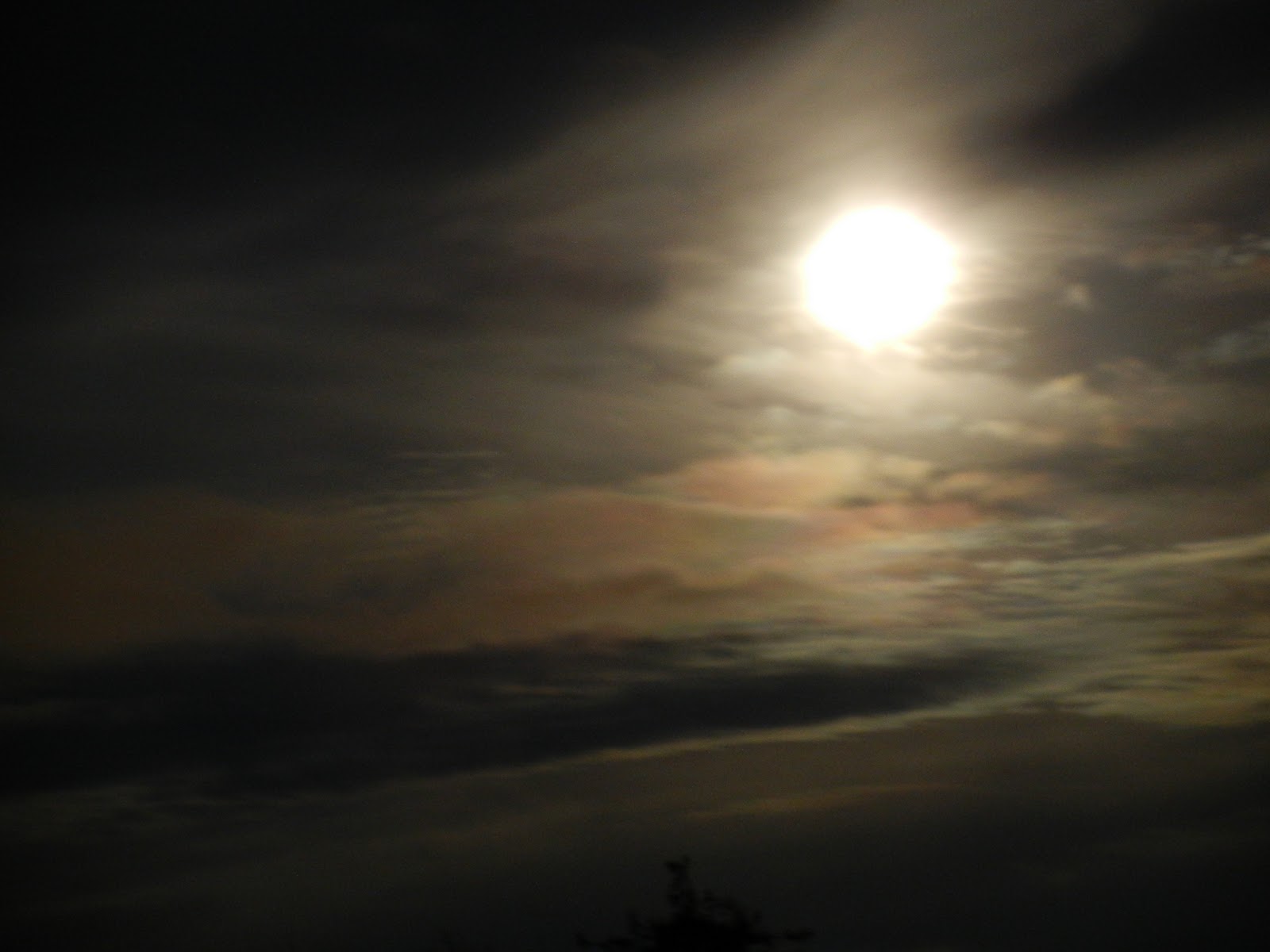
Hours later, the moon rose above the horizon at what might be considered warp speed in moon terms, bulging and engorged, a result of the last rays of the sun’s refracted light. As she climbed, she lost that overstuffed pancake look, shrunk down to normal size and simply became the moon once again, that giant, floating orb of light and beauty that possessed the mystical ability to control tides and sway men’s hearts.

Anderson, his hands set tightly on the joy stick, cast a glance up at the sky and relaxed his grip. To his right and behind stood Captain Reed, so close to Anderson’s shoulder that he could hear the man breathing although to Anderson it sounded more like a wheeze. The noise and Reed’s sheer proximity were unnerving.

“You know, you should have that looked at,” Anderson said.

“Pardon me?”

“Your lungs. It sounds like your breathing underwater.”

“I’d thank you to mind your own business .” Reed emphasized the word business and Anderson’s shoulders tightened. He couldn’t stop thinking about the messy state his father had left it in.

“I’m going down on deck for a few minutes. Try not to hit anything,” Reed said and left.

“Dickbag,” Anderson muttered. It was only a hundred and two-mile stretch of river from the Bay to the Marcus Hook refinery, but already Anderson knew it was going to be the longest hundred miles he’d ever traveled. And by night, no less. The thought sent a shiver up his spine.

Had he been given his way, the Ryujin would have waited until morning to depart, but the tide had reached high water mark and was on the way down and the Sea Witch had already taken off upriver. Reed had wanted the Ryujin to follow as soon behind as the Coast Guard would allow to take advantage of the extra draft room the high tide would provide. He was pissed, that bastard, that Anderson hadn’t taken off right away, but Anderson was adamant about inspecting the ship, acquainting himself with all her innermost workings. With so few solo trips under his belt and a business on the line, he couldn’t afford any screw ups. Mostly so he wouldn’t appear lackadaisical and just to shut Reed up, he agreed to leave when his inspection was complete. Unfortunately, by that time it was twilight.

Anderson came from a long line of sailors and sea captains, a nepotistic bunch of Swedes, brothers, uncles, and cousins who were all active in the business Anderson’s father had inherited from his own father. During early childhood, he spent many nights curled up in a sleeping bag at his father’s feet as his Dad piloted a ship upriver, listening to the low rumbling vibration of the boat, the last lines of his father’s bedtime story resonating in his ears. Except that those stories were much worse than the usual macabre of the Brothers Grimm or Hans Christian Anderson. His father’s stories were of sailors lost at sea; of monsters with terrible fangs and breath like fire; of mermaids that grabbed unsuspecting sailors off their ships and bore them down to their watery graves; of the sirens, lovely creatures that lured men too near the rocks with their songs and laughed as the waves bashed their ships against them, leaving the hapless sailors to drown in the melee. The stories had delighted and enchanted him and Anderson would look up to catch a last glimpse of his father standing behind the wheel, smiling at him as his child’s eyes became heavy with sleep.

Anderson’s head bobbed, touching his chest. He opened his eyes and for an instant, he was a boy again. He came to full consciousness, shocked with the realization that he had fallen asleep at the helm. There was no telling if it had been seconds or minutes. He blinked and rubbed his eyes, then shook himself like a wet dog, dispensing the sleepiness that had settled on him like drops of water. It had been three weeks since he’d had a good night’s sleep, haunted as he was by visions of the giant of a man he’d loved so in life.

He felt a hand on his arm and turned, half-expecting to see his father. He saw Captain Reed instead. Reed said nothing, the scoundrel, just turned and stood off to the side, staring out into the blackness in front of him, his hands clasped behind his back, the picture of urbanity. Anderson cleared his throat to break the silence and cast a glance back at Reed, the asinine bastard. He saw the Captain’s face out of the corner of his eye, baleful and unwelcoming. He glanced at the radar screen. The next three channel markers were well lit.

“So how long have you been a Captain?” Anderson asked. Safe ground.

“Longer than you’ve been alive,” Reed retorted.

Anderson rolled his eyes and puckered his lips, blowing air out slow and silent. The air in the control deck felt thick and clogged in sharp contrast to the breezy conditions on the river. Anderson moved his head from side to side, stretching the muscles in his neck. As the silent minutes ticked by, his mind drifted to his father’s last months when the Alzheimer’s had him fully in its grasp. How time must have blended together for him; his stubborn refusal to retire, even in his lucid moments. Was time really not linear, as the physicists said, and even more absurd, all happening at once? That one would wreak havoc on the history books.

Reed spoke, but Anderson missed what he said so Reed cleared his throat.

“Excuse me?” Anderson said.

“I said how long? Until we drop our load. How long?”

“What, you got a date?”

Reed didn’t even crack a smile, just gave Anderson a stultifying glare.

Anderson harrumphed. “A few hours give or take. It’s slower going at night.”

“I notice you don’t use the radar much,” Reed said.

“I use it as backup.”

Reed’s eyebrows shot up in query.

Anderson gave Reed a half-smile. “I’ve been traveling this river since I was a boy. I can tell you where every rock and shoal lies.”

Reed made a small grunting noise that originated in the back of his throat, and strode over to the radar screen. A light blipped on and off signaling the presence of something buried well below the surface out of the path of the Ryujin . He grabbed the weems plotter, a fat ruler with wheels, placed it on a line and rolled it down making a compass angle.

Anderson laughed.

“You think using a chart is funny?”

“Just laughing at the hardware.”

Reed raised his eyebrows, scanned the desk chart and then at the blinking radar screen.       “What do you think that is?”

“Nothing to be alarmed about?”

“How do you know?”

“The GPS says we’re right where we need to be,” Anderson said. “There’s nothing at that particular juncture big enough to cause injury to his boat.”

Reed snorted. His voice was so sedate that a small shiver ran up Anderson’s spine. “When was the last time you were on this river?”

“Three weeks ago.” Three weeks ago, Anderson’s father had died suddenly while at the wheel of a ship very similar to this, leaving his son to sort through the mess.

“If you know anything about rivers,” Reed said curtly, “you’ll know the last thing they are is static. Things change. How do you know that a boulder hasn’t rolled, or wasn’t just missed in the plotting, or a school bus didn’t drive off the side of the road and is now parked in our path, waiting to tear a large, gaping hole into the hull?”

Anderson sighed. “I don’t. But regardless of that nice little speech you just gave, river bottoms don’t change all that drastically. Besides, the Army Corps is always dredging this part of the river to keep the silt down so the channel stays open.”

A wry smile formed in the corner of Reed’s mouth; he turned back to the chart. “Under the Coast Guard regs, you might be temporarily in charge of this ship, but remember this, son,” Reed said. “I’m the Captain. Before, and long after you’re gone.” Reed eyed the blinking radar screen. “What’s that?”

Andersen checked the screen and scanned the dark horizon. He saw nothing. “A small speed boat, maybe? Or a fisherman still out on the water.” Thanks to Reed, he was growing a little nervous himself. The blip on the radar screen moved erratically, not a stagnant boulder half-buried in the sea bottom, that was for Goddamn sure, but something, and admitting it to this truculent son-of-a-bitch made him queasy.

“There’s been nothing reported in the last week,” Anderson said, trying to maintain an air of calm about him. “As far as the Coast Guard and the Corps are concerned, we’ve got ten feet of water between us and the bottom of the river. We’re riding anything but light. But we’ve still got the residual benefit of the flood tide even though it’s turned.” He glanced out the window at the bank of the Delaware and gave silent thanks for the red buoys. Red right returning . As long as the buoys were on the right, they were safely in the channel. He shook his head, trying to cast off the vibes of impending doom that Reed was scattering about the cabin like wildflower seeds and stole a glance at the imperial jackass as he moved the weems plotter over the nautical charts, its wheels squeaking like baby mice.

“Man, would you knock it off? You’re creeping me out.”

Reed gasped. Anderson turned in time to see Reed lunge at him. Reed tossed Anderson aside and wrenched the joy stick from his grip, and with it, the direction of the ship, slowly altering its course by forty-five degrees. But before Anderson could react, they heard it. The sound started out low, like a hum, and grew in volume until it became identifiable. A small water craft. The speed boat raced by and they both looked out the window in time to see the stern of the motor boat disappearing from view; the laughter of its occupants left behind, floating on the breeze.

“Goddamn kids,” Reed said.

A feeling of de ja vu overtook Anderson and he entered a place where time was no longer linear. He knew more than a few seconds had passed because the sound of laughter, mingled with the small boat’s engine, had receded into silence, yet he couldn’t say how long that took or what had transpired in the interim. He regained his presence of mind and looked to the river for reorientation. The buoys were on the left!

“Jesus Christ.” By instinct Anderson grabbed the joy stick, shoving Reed aside, and cut it hard, aiming the ship back into the channel. She turned slowly on her axis, a planet caught in the gravitational pull of her own sun. She spun slowly, a giant arcing whale, then resumed her forward motion, course righted. Anderson breathed a sigh as they passed the buoys on their way back into the channel. But relief was short-lived.

It was no more than a slight jolt, what one might feel when riding on a train whose tracks needed tamping.

“What the hell was that?” Reed demanded.

Anderson looked out at the river as they were clearing the buoys, then to the radar screen. Something was blinking, and he had just run over it, or through it, depending on what the hell it was. He rubbed his eyes, but the blip was still there. The two men eyeballed each other.

Anderson cleared his throat. “Why don’t you go check the water off the stern and see if we’re dragging anything,” he said. “The moon’s almost full. Should help you to see.”

“What the hell would we be dragging?” Reed sneered, his voice rising. “You hit something.”

“You mean we don’t you.” The palms of Anderson’s hands were beginning to sweat on the wheel, but he retained his outward demeanor.

“No, I mean you. You’re the pilot of this ship and…”

“And if you hadn’t thrown us out of the channel…”

“…if I hadn’t steered us out of the channel, we would have had a head on collision with a motor boat,” Reed bellowed, spitting as he did. His face had taken on a crimson hue and his eyes were bulging giving him a toad-like appearance. “And somebody would have probably died you stupid, idiotic…”

“That boat,” Anderson said, “was playing chicken with us, and you know it. A bunch of kids out joyriding. They knew enough not to take on a thousand foot ship. Trust me. They would’ve blinked.” Anderson was sweating now from the rush of adrenaline and sheer nerves.

“Go check the stern, dammit,” he barked at Reed.

Reed hesitated momentarily before scrambling out the door giving Anderson time to collect his thoughts. He reviewed the charts and saw what he was dreading. There, just outside the channel, was the topside protrusion of a large boulder that had likely been in that exact same position since the dawn of time, the kind that originated somewhere around the core of the earth and kept twisting and rising until it reached the top with just its tip peeking out. The sneaky kind. The kind that sunk the Titanic.

A shiver of fear ran down Anderson’s spine. It’s nothing. A small jolt is all. We bounced right off her. He gripped the joy stick tightly and clenched his teeth. He knew what a “small” jolt meant to a ship of this size and the kind of damage a boulder could do to a single-hulled vessel. The Ryujin was well past her prime, and although she paid lip service to the Coast Guard regulations, her body worked and reworked a dozen times trying to keep her up to the current safety standards, she stayed afloat not because of strict compliance with the law, but because of some damn grandfather clause. It was the lawmaker’s fault. A single-hulled ship had no business carrying millions of gallons of oil, yet it was done all the time since, the ship owners said, the cost to retire her and build a new doubled-hulled ship outweighed any potential environmental damage that a spill would cause. And the law said that until 2015, ship owners could continue to sail single-hulled ships no matter how many dead fish floated to the surface covered in oil.

➣➣➣

Captain Reed appeared half an hour later, looking flushed from exertion, but otherwise in good spirits, his normal dour countenance having momentarily shed its pinched expression. Anderson took this as a good sign.

“What d’ya find out?”

“Nothing,” Reed said. The briefest of smiles crossed his lips. “There is no damage to this ship.”

“You’re sure?” Anderson watched the man’s face carefully. After all, he didn’t know Reed from Adam, and now Reed held Anderson’s career between his two damn fingers.

Reed nodded. “Engines are all in working order, we’re not dragging anything, and we’re not leaking anything.”

“No sheen on the water? You looked?” Anderson asked. Reed nodded again. “How many times?”

“Three,” Reed replied. “Once at the beginning of my inspection and once at the end. And once in between. The oil is safely in the hold.”

Anderson nodded, uncertain. Whatever Reed may be, it was obvious he was a Captain foremost. He would not take kindly to any untoward incidents on the Ryujin while under his command although Anderson dimly suspected that Reed might be more concerned with the integrity of his ship than that of the Delaware River. Still, Reed’s environmental ethic was not Anderson’s concern right now. He sighed and looked out over the bow and beyond to the horizon hidden by night. Nothing much he could do but take the man’s word for it.

“Alright. Let’s get this baby to bed before she suffers another nightmare,” Anderson said. and bent to the task.

➣➣➣

The full moon was all but eclipsed by the stratus clouds that stretched out, in full battle regalia, across a winter sky. An occasional break in their ranks gave the casual observer the tiniest peek at the moon’s frothy demeanor, but the blaze of light she heretofore sent streaming down river before the Stratus’s moved into the neighborhood was gone, gone, gone. Too bad, too, for the fish, birds, flora, fauna, and various species of plankton that thrived in the river because they were about to get a rude awakening. Thirty feet below sea level, a ten-inch gash ripped through the hull of the Ryujin by an errant boulder had begun to widen, resulting in the unfortunate release of the contents of the ship’s hold into the river. The seemingly small quantity of oil leaking out at any given moment would, hours later, add up to one of the worst environmental disasters ever experienced on the Delaware.

On deck, the crew, Captain and Pilot of the Ryujin were oblivious to the danger. As they headed north, the oil headed south and without the moon to light her stern-side, the crew would not see so much as a flicker of a sheen on the black night waters.

Of course, the Stratus’s did not move into town alone. They brought with them the North Wind and He, coupled with the outbound tide, pushed that pure, Arabian crude down, down, down toward the Bay, catching the whole hundred-mile stretch of that beautiful river unaware.

 to be continued.  . .

to get up to speed with what happened before start here

copyright 2012